What Happened
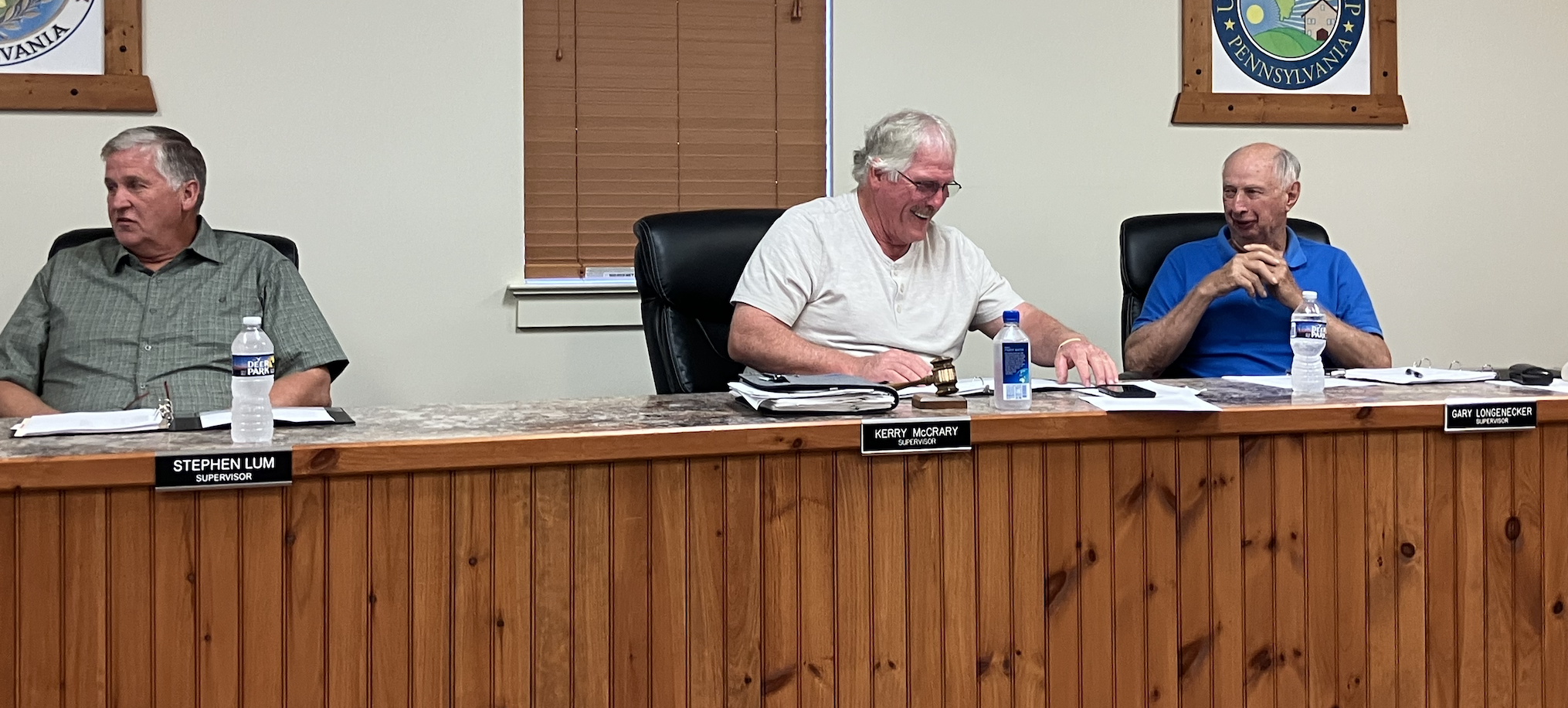
On September 11, 2026, the Union Township Board of Supervisors approved a newly updated short-term rental (STR) ordinance in a closely contested 2-1 vote. The measure had been tabled at the previous month's meeting, indicating significant deliberation among board members before final passage. Supervisor Stephen Lum cast the lone dissenting vote, underscoring the contentious nature of the regulation within the township leadership.
The approved ordinance represents Union Township's formal framework for governing short-term rentals—properties rented to guests for fewer than 30 consecutive days. This type of regulatory action has become increasingly common as communities nationwide grapple with balancing tourism revenue, housing availability, and neighborhood preservation.
The Financial Impact
While the source article does not disclose specific fine amounts, licensing fees, or tax obligations embedded in the ordinance itself, the passage of STR regulations typically carries significant financial implications for property owners.
Common cost categories in STR ordinances include:
| Cost Category | Typical Range | Notes |
|---|---|---|
| Annual STR License/Permit | $100–$500+ | One-time or recurring |
| Registration Fees | $50–$300 | Administrative processing |
| Inspection Costs | $100–$400 | Safety and code compliance |
| Local Occupancy Tax | 5–15% of nightly revenue | Often higher than standard lodging tax |
| Attorney/Compliance Consulting | $500–$2,000+ | If challenging rules or seeking clarity |
Hosts operating without proper licensing in Union Township now face enforcement risk. Non-compliance can result in fines, cease-and-desist orders, and potential removal from booking platforms.
How LawfulStay Could Have Helped
Union Township property owners who maintain short-term rentals should have been monitoring local regulatory developments well before the September 11 vote. A search on LawfulStay.com for "Union Township, Pennsylvania" would have revealed:
- Pending regulatory changes and hearing schedules
- Existing ordinance language from the August tabling
- Deadline information for licensing and compliance windows
- Comparison data from neighboring Lebanon County jurisdictions
Hosts who proactively checked LawfulStay's 1,080+ jurisdiction database could have attended township meetings, gathered required documentation, and prepared licensing applications before the ordinance took effect. Instead, many operators likely learned about the new rules only after approval—losing critical time to achieve compliance.
A single LawfulStay search could have shown the exact requirements, application deadlines, and financial obligations in one authoritative source. This is especially valuable in Pennsylvania, where municipal STR rules vary widely.
"Union Township Supervisor Stephen Lum cast the dissenting vote in the 2-1 approval of an updated short-term rental ordinance that was tabled from last month's meeting."
Key Takeaways for Hosts
1. Monitor your jurisdiction's regulatory calendar regularly. STR ordinances are often debated and revised over multiple board meetings before final passage. The Union Township case—with the ordinance tabled in August and approved in September—shows that rules can shift month-to-month. Set a calendar reminder to check your city's board agenda every month.
2. Understand the distinction between approval and enforcement grace periods. Many jurisdictions approve an ordinance but provide a 30-, 60-, or 90-day window for existing hosts to register. Missing this window can result in fines or forced de-listing. Check LawfulStay for the specific implementation timeline in your area.
3. Budget for compliance costs immediately. Don't assume your rental income will absorb licensing fees, occupancy taxes, and required safety inspections. Factor these expenses into your annual P&L before the rules go live. Ignoring them leads to back-tax liability and penalties.
4. Close votes indicate ongoing opposition—expect possible amendments. When an ordinance passes 2-1 (as in Union Township), the dissenting supervisor or community members may petition for revisions or exemptions. Stay engaged with local politics to anticipate changes.
5. Consult a local attorney if rules are unclear. Pennsylvania municipal codes can be dense. A one-hour consultation with a local property or real estate attorney ($150–$300) is far cheaper than operating illegally and facing fines in the thousands.
The Bigger Picture
Union Township's approval of an STR ordinance reflects a national trend: most U.S. cities now regulate short-term rentals more strictly than they did five years ago. Pennsylvania in particular has seen a patchwork of local ordinances emerge, from outright bans in some townships to licensing-and-caps models in others.
The 2-1 vote margin suggests that STR regulation remains politically contentious. Some supervisors worry about preserving neighborhood character and housing availability; others see revenue opportunities and tourism benefits. This divide is unlikely to disappear, meaning hosts should expect ongoing regulatory pressure and possible future amendments.
For operators in Pennsylvania and similar fragmented regulatory environments, staying ahead of ordinance changes is not optional—it's essential to business survival. Platforms like Airbnb and Vrbo increasingly delist properties that fail local compliance, leaving hosts with no revenue stream and full liability.
Stay Compliant
If you operate or plan to operate a short-term rental in Union Township or anywhere else in Pennsylvania, visit LawfulStay.com today and search your jurisdiction. Our database covers 1,080+ cities, counties, and regions—including Union Township—and provides up-to-date ordinance details, licensing requirements, and enforcement risks.
Don't learn about new STR rules after they pass. Proactive compliance protects your business, your guests, and your reputation. Search LawfulStay now and get ahead of the next regulatory change in your area.