What Happened
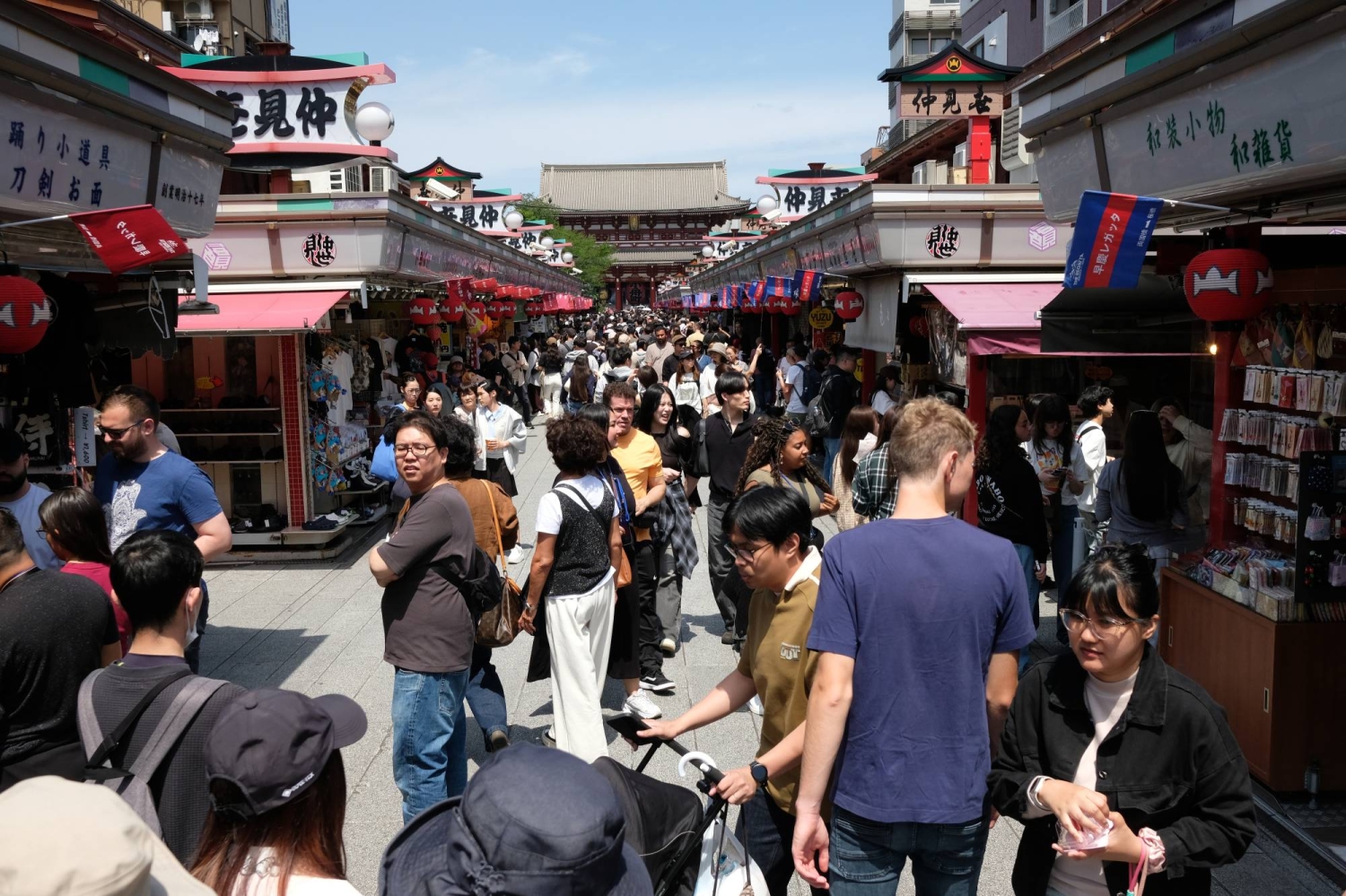
Tokyo's Taito Ward—home to iconic tourist destinations like Asakusa and Ueno—submitted an ordinance to its ward assembly in September 2026 that effectively bans minpaku (private short-term rental residences) from operating in residential areas and zones where traditional hotels are restricted. The new rule will limit operating days to zero in these locations, creating a near-total prohibition for new minpaku registrations in certain parts of the ward.
The crackdown comes in response to escalating neighborhood complaints. Local officials cited "increasing reports of bad behavior such as improper trash disposal and loud noises" as the primary driver behind the measure. This represents part of a broader trend across Japan, where municipalities are tightening STR restrictions as tourism and minpaku popularity have created friction between hosts, guests, and long-term residents.
The Financial Impact
While the ordinance does not impose direct fines on existing hosts, the consequences are severe and long-lasting:
| Impact Category | Effect |
|---|---|
| New Listings | Cannot register minpaku in residential/restricted areas |
| Existing Hosts | May face phased restrictions or non-renewal of registrations |
| Property Value | Residential properties lose STR income potential in banned zones |
| Legal Costs | Hosts operating illegally face potential enforcement action |
| Lost Revenue | Indefinite zero operating days = permanent loss of rental income |
For hosts already operating in Taito Ward's residential zones, this ordinance signals the end of their minpaku business model. Unlike a one-time fine, this is a permanent operational shutdown—far costlier over time.
How LawfulStay Could Have Helped
A search on LawfulStay.com for "Taito Ward, Tokyo" would have revealed the regulatory landscape and emerging risk factors in this high-tourism zone. The database covers 1,080+ jurisdictions globally, including granular data on Japanese municipal STR rules and their evolution.
Hosts who checked LawfulStay before investing in Taito Ward properties would have seen:
- Zoning restrictions: Which residential vs. commercial zones allow minpaku
- Operating-day limits: Current and proposed day-per-year caps
- Enforcement trends: Evidence of increasing complaints and regulatory tightening in tourist-heavy wards
- Timeline alerts: Notice of pending ordinance changes before they were finalized
Instead, many hosts likely discovered these rules the hard way—only after complaints mounted and the ward assembly moved to ban new registrations. Preventable mistakes become costly mistakes when regulatory data is not checked in advance.
"The ward cited increasing reports of bad behavior such as improper trash disposal and loud noises as being behind the new ordinance."
Key Takeaways for Hosts
-
Check municipal ordinances before buying or listing. Japan's minpaku rules vary dramatically by ward and city. What's allowed in one Tokyo neighborhood may be banned in the next. Always verify zoning and operating-day restrictions for your specific address before investing.
-
Monitor regulatory trends in your jurisdiction. Tourist hotspots like Taito, Shibuya, and Shinjuku are frequent targets for tighter STR rules. If noise and trash complaints are rising, an ordinance ban may follow. Stay ahead by tracking local news and regulatory signals.
-
Understand guest screening and neighborhood management. Many STR bans are driven by specific bad-actor behavior (loud parties, improper trash). Invest in guest vetting, clear house rules, and proactive communication to reduce complaints before they trigger policy changes.
-
Diversify beyond high-tourism residential zones. Properties in commercial zones or dedicated tourist areas are less likely to face residential-area bans. Consider business-use zoning when evaluating new investments in major cities.
-
Plan exit or pivot strategies early. If regulatory headwinds appear, hosts have time to pivot to long-term rentals, corporate housing, or sell before a ban destroys property value. Waiting until an ordinance passes removes your options.
The Bigger Picture
Taito Ward's minpaku ban is not an isolated incident. Japanese municipalities nationwide—including Kyoto, Osaka, and other wards across Tokyo—have been progressively restricting STR operations to protect residential quality of life and preserve traditional hospitality industries. The pattern is clear: high-tourism areas with concentrated minpaku inventory and guest volume face the most aggressive regulation.
This reflects a fundamental tension in the global STR market. While minpaku and platforms like Airbnb have democratized tourism lodging, they've also created externalities (noise, trash, parking, cultural disruption) that neighborhoods resent. Regulators respond by imposing caps, zoning limits, or outright bans. Hosts who ignore this shift face sudden, permanent loss of business.
Japan's approach—banning minpaku entirely in certain zones rather than licensing individual properties—is becoming a global model. Other countries and cities are watching, and similar zero-operating-day ordinances are likely to spread.
Stay Compliant
If you own or manage short-term rental properties in Japan—or anywhere globally—your first step is to verify your local regulations on LawfulStay.com. Search your city and property address to understand:
- Current operating-day limits
- Zoning and residential vs. commercial restrictions
- Registration and licensing requirements
- Recent enforcement actions and fines
- Pending regulatory changes
Taito Ward's hosts learned too late. Don't let that be you. Check LawfulStay today, and make compliance part of your business strategy, not an afterthought.