What Happened
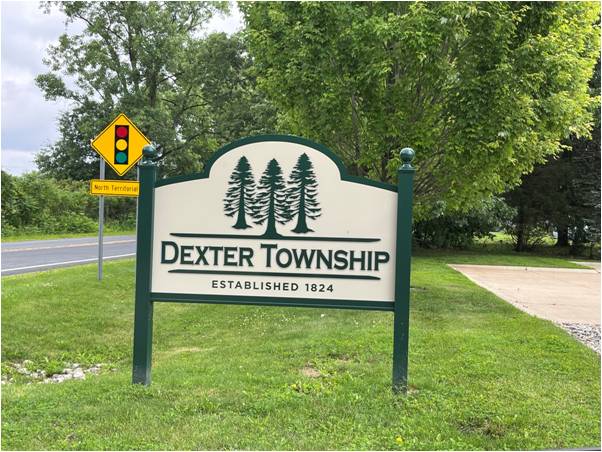
Dexter Township, Michigan has introduced new regulatory guidelines that differentiate between short-term rentals (STRs) and bed & breakfast (B&B) operations—a distinction that carries serious compliance implications for property owners.
The township's move comes as municipalities nationwide grapple with how to regulate the rapidly expanding short-term rental market. By clearly separating STR and B&B classifications, Dexter Township aims to establish clear operational standards, licensing requirements, and zoning restrictions for each property type.
While the specific details of the ordinance are still being implemented, this regulatory development signals a critical reality: many jurisdictions are moving away from one-size-fits-all STR rules. Property owners who operate under outdated or incorrect assumptions about their local classification face serious penalties.
"The distinction between STRs and B&Bs is no longer optional—it's the foundation of modern rental regulation." This shift reflects a broader trend toward granular, category-specific oversight.
The Financial Impact
The financial consequences of misclassifying your property are significant. While Dexter Township's specific fine structure wasn't detailed in the initial announcement, here's what property owners typically face when operating under the wrong classification:
| Consequence | Typical Cost Range | Notes |
|---|---|---|
| Initial violation fine | $500–$5,000 | Per violation; can compound monthly |
| Legal fees to defend classification | $2,000–$10,000+ | Consultation and court representation |
| Back taxes and penalties | 15–25% of annual revenue | Plus interest, often 6–12% annually |
| Forced property conversion or closure | Loss of all rental income | Indefinite until compliance achieved |
| License denial or revocation | Lost business license | Bars future STR/B&B operation |
For a mid-range STR generating $50,000 annually, misclassification for just one year could result in $10,000–$15,000 in fines, taxes, and legal fees alone—without counting lost income during enforcement action.
How LawfulStay Could Have Helped
This is precisely the scenario LawfulStay's regulatory database is designed to prevent. A host operating in Dexter Township who consulted LawfulStay before launching their property would have immediately discovered:
-
Exact classification requirements — The specific criteria distinguishing an STR from a B&B under local ordinance (e.g., owner occupancy, meal provision, guest caps).
-
Licensing and permit obligations — Which category requires a license, health permits, or special zoning approval before accepting guests.
-
Operational restrictions — Guest turnover limits, quiet hours, parking rules, and other use-specific requirements that differ between STRs and B&Bs.
-
Notification and reporting duties — Whether the township requires registration, tax reporting, or regular compliance filings tied to your property classification.
-
Enforcement history — Pattern data on how Dexter Township prioritizes violations, helping owners understand real-world compliance risk.
A quick search on LawfulStay for "Dexter Township, Michigan" would have surfaced these regulatory distinctions before the first guest arrived, eliminating classification errors entirely.
Key Takeaways for Hosts
1. Verify your property's classification immediately. Don't assume your rental qualifies as an STR. Contact Dexter Township's planning or zoning department and request written confirmation of your property's regulatory category. Document this confirmation.
2. Understand what separates STRs from B&Bs in your jurisdiction. The distinction often hinges on: owner occupancy (does the owner live on-site?), meal provision (is breakfast included?), guest turnover (how quickly do guests change?), and licensing type. These aren't universal—they vary by municipality.
3. Review licensing and permit requirements for your specific category. B&Bs often require different health permits or hospitality licenses than STRs. Verify which permits apply to your property before operating.
4. Check zoning compliance for your classification. Some zones allow STRs but prohibit B&Bs, or vice versa. A single zoning violation can shut down your operation even if you're otherwise compliant.
5. Stay informed about regulatory updates in your township. Dexter Township's new clarification signals that local rules can shift. Sign up for township notifications and check LawfulStay periodically for rule changes affecting your jurisdiction.
The Bigger Picture
Dexter Township's STR-vs.-B&B clarification reflects a national trend: municipalities are moving away from generic short-term rental rules toward property-type-specific regulation. This allows townships to tailor zoning, licensing, and enforcement to each business model's unique impact on neighborhoods.
For hosts, this means the days of operating under vague "short-term rental" permits are ending. Regulatory clarity is increasing—and so is enforcement precision. A property misclassified today isn't just technically non-compliant; it's now exposing itself to more sophisticated, category-aware enforcement in the future.
The message is clear: compliance starts with correct classification. Hosts who take five minutes to verify their property's regulatory category today avoid months of fines, legal disputes, and potential business closure tomorrow.
Stay Compliant
If you operate a rental property in Dexter Township or anywhere else, your first step is to know your local rules. Visit LawfulStay.com, search for your city and state, and review the specific regulations governing your property type. Our database of 1,061+ jurisdictions includes detailed STR, B&B, and vacation rental rules—so you can operate with confidence and avoid costly compliance mistakes.
Don't let regulatory confusion cost you. Check LawfulStay today.