What Happened
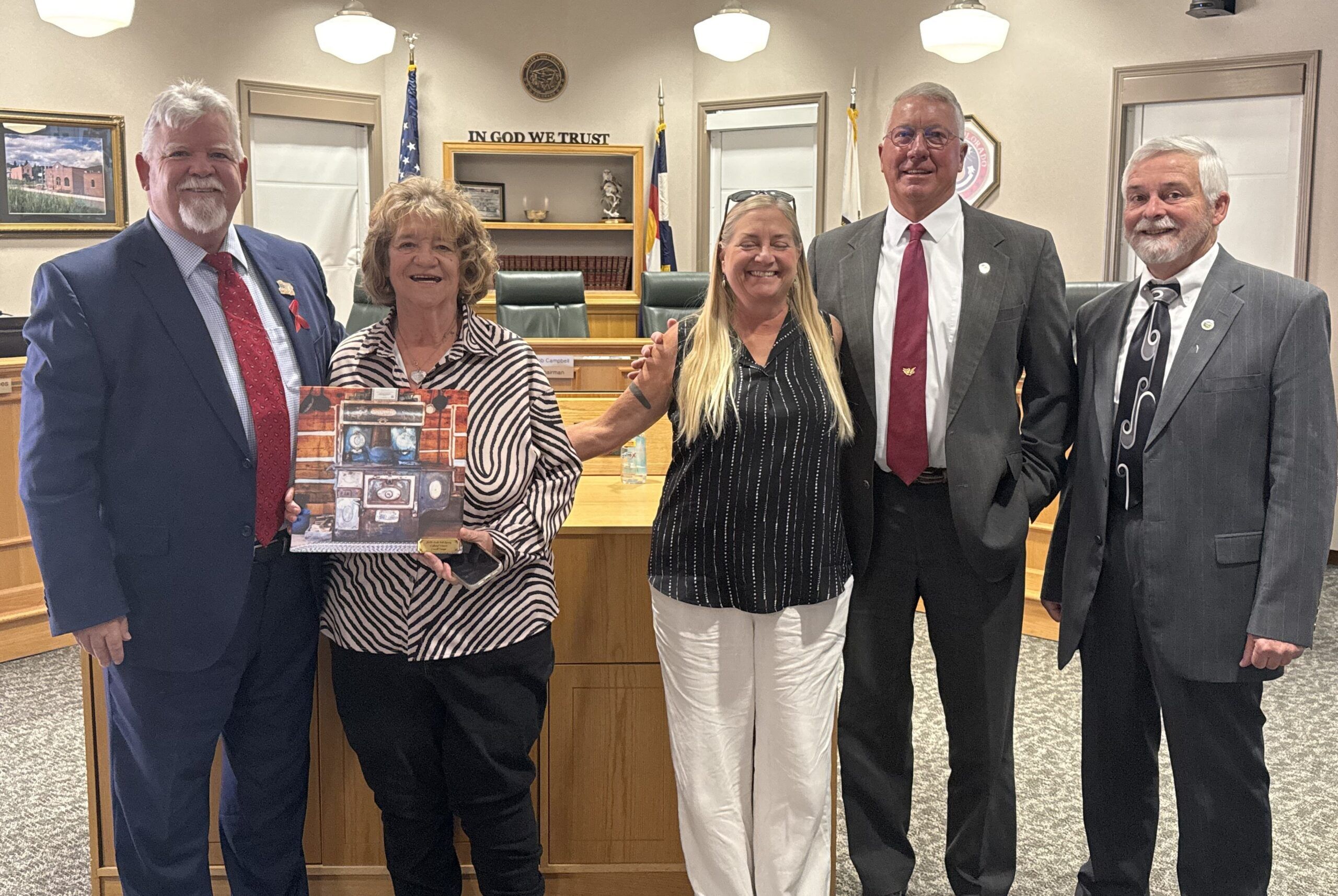
Teller County commissioners passed Ordinance 23 last week, establishing the first formal regulations for short-term rentals across unincorporated areas of the county. The ordinance, which was published on September 11, 2026, represents a significant regulatory shift for property owners operating vacation rentals in the region.
This action brings Teller County into the growing wave of jurisdictions establishing STR frameworks. Previously operating in a regulatory gray zone, hosts in unincorporated Teller County now face defined rules governing how they can operate their properties.
The Financial Impact
While the published article does not specify exact fines or fee structures within Ordinance 23, the passage of such regulations typically introduces multiple financial obligations for hosts:
| Cost Category | Typical Range | Notes |
|---|---|---|
| Licensing/Registration Fees | $100–$500/year | Annual permits or registration requirements |
| Inspection Fees | $150–$400 | Initial and ongoing compliance inspections |
| Business Tax License | $50–$200/year | County business operation permits |
| Potential Fines (non-compliance) | $500–$5,000+ per violation | For operating without permits or breaching terms |
| Legal/Consultation Costs | $1,000–$3,000+ | If forced to defend operations or appeal violations |
Hosts who operated prior to Ordinance 23 without permits face substantial back-payment liability. The longer a property operated unregistered, the greater the financial exposure—particularly if the county pursues retroactive compliance audits.
"Teller County commissioners passed Ordinance 23 last week that regulates short-term rentals in the unincorporated areas of the county." — The Gazette, September 2026
How LawfulStay Could Have Helped
Before Ordinance 23 passed, property owners in Teller County had limited visibility into upcoming regulatory changes. A search of the LawfulStay database would have provided critical early intelligence:
Proactive Monitoring: LawfulStay tracks regulatory pipelines across 1080+ jurisdictions, including emerging ordinances at the county level. Hosts with access would have known that Teller County was considering STR regulations, allowing time to prepare.
Regulatory Comparison: By searching neighboring jurisdictions like El Paso County or clear ski-region markets (e.g., Summit County, CO), hosts could have benchmarked likely requirements before Ordinance 23 took effect. Understanding similar frameworks helps hosts anticipate licensing, occupancy limits, and tax obligations.
Compliance Timeline: The LawfulStay platform provides effective dates, grace periods, and grandfather clauses. Early visibility allows hosts to register promptly, avoiding penalties for retroactive non-compliance.
Documentation Readiness: Knowing what regulations were coming, hosts could have prepared required documentation—proof of occupancy caps, guest agreements, safety certifications—before deadlines arrived.
Without access to a comprehensive regulatory database, Teller County hosts discovered Ordinance 23 only after it passed, leaving minimal time to achieve compliance.
Key Takeaways for Hosts
-
Search Your Jurisdiction Immediately: Whether you operate in Teller County or elsewhere, check LawfulStay for your current regulations. If your area recently passed an ordinance, compliance deadlines may be months away, not years.
-
Monitor for Regulatory Changes: Don't assume today's permissive environment continues. Set a calendar reminder to check LawfulStay quarterly for updates in your county or city. Teller County's shift from unregulated to regulated happened without advance notice to many operators.
-
Budget for Compliance Costs: New ordinances introduce licensing, inspection, and annual fees. Factor these into your operating budget now. Hosts who treat compliance as optional face fines that dwarf annual permit costs.
-
Register Early, Not Late: Many jurisdictions offer grace periods but penalize operators who register after effective dates. If Ordinance 23 includes a registration deadline, meet it immediately. Late registration may void grandfather protections.
-
Understand Local Requirements Beyond Basics: Ordinance 23 likely includes occupancy caps, parking rules, quiet hours, and owner-occupancy requirements. Read the full text and consult a local attorney if unclear. Non-compliance with any provision, not just licensing, invites enforcement action.
The Bigger Picture
Teller County's passage of Ordinance 23 reflects a nationwide trend: short-term rental regulation has shifted from exception to standard. Colorado counties and municipalities are increasingly formalizing STR frameworks in response to housing concerns, noise complaints, and tax collection priorities.
Jurisdictions like Teller County that previously operated without STR ordinances are now playing catch-up. These "first-time" regulations tend to be stricter than earlier frameworks, as communities react to years of unregulated growth. Hosts who operated in a permissive environment before Ordinance 23 should expect tighter restrictions going forward.
The pattern is clear: regulatory gaps are closing. Jurisdictions that tolerated STRs informally are formalizingEUR regulations to maintain local control and tax revenue. Hosts who stay informed—and use resources like LawfulStay—can adapt ahead of enforcement.
Stay Compliant
If you operate a short-term rental in Teller County, Colorado, or any of the 1080+ jurisdictions in the LawfulStay database, your next step is simple: search your address on LawfulStay today.
Know the rules before they enforce them. Ordinance 23 is now law in unincorporated Teller County. Don't let ignorance cost you thousands in fines or forced closure. Visit LawfulStay.com, check your jurisdiction, and confirm your compliance status today.