What Happened
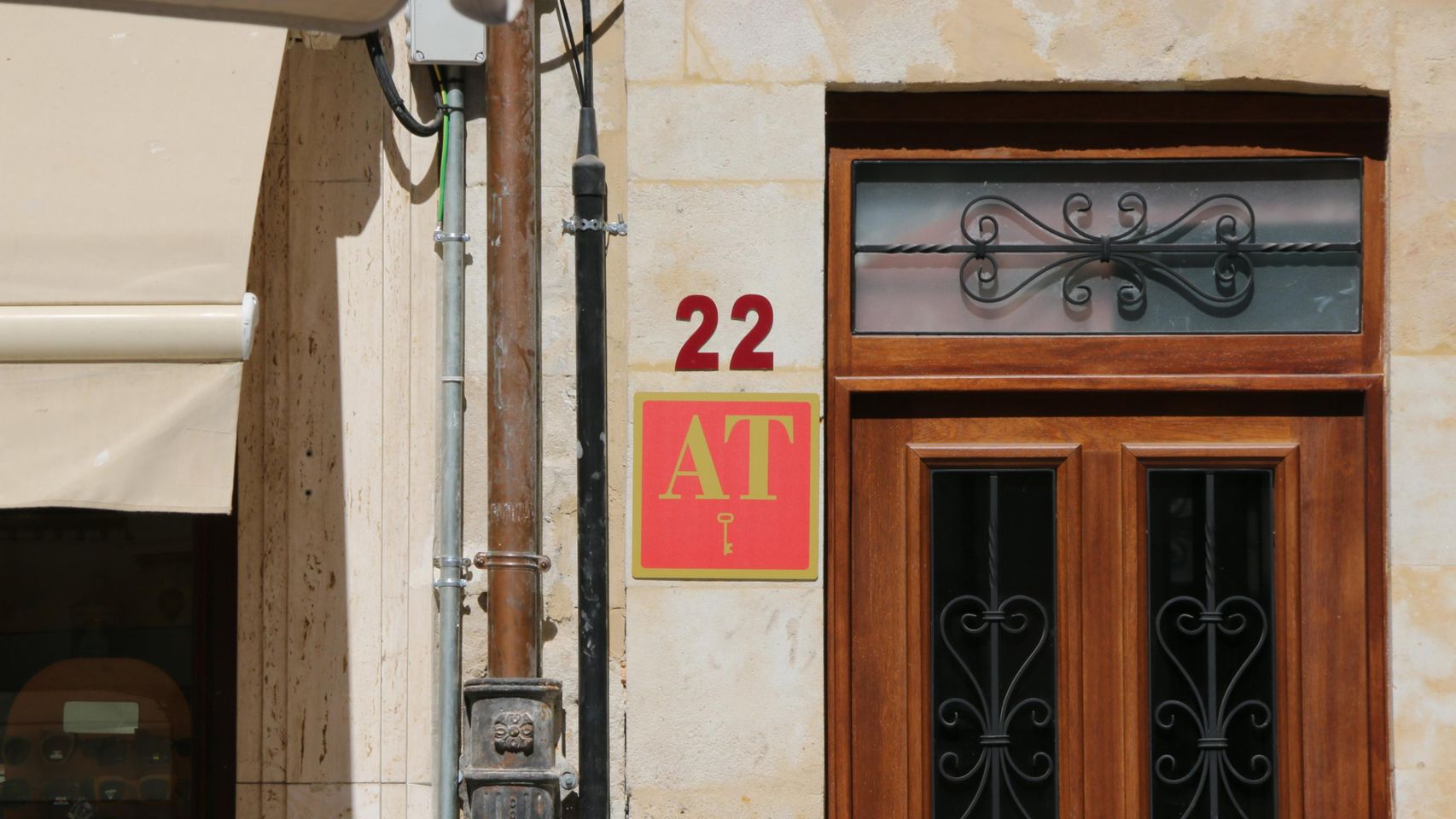
In September 2026 the Superior Court of Justice of Castilla y León (TSJCyL) sided with the Ayuntamiento de Salamanca and ruled that tourist flats (pisos turísticos) are a tertiary (non-residential) use, not a residential one.
That matters because of Salamanca's own city plan. Since a 2011 change, the plan does not allow non-residential uses above the first floor of a building with homes. So in Salamanca a tourist flat cannot operate above the first floor of a residential building. The city says more than 300 flats did not meet the plan and must go back to ordinary renting.
The floor limit comes from Salamanca's plan, not from a regional law. Other cities in Castilla y León have their own plans, so the ruling does not by itself ban upper-floor tourist flats across the region. It does set a precedent other councils can point to.
Check the Rules on LawfulStay
LawfulStay tracks short-term rental rules place by place. Each place page shows where each rule comes from, an official source or news reports, and when it was last checked. Places we have not verified yet are labelled that way.
Find your city in the LawfulStay regulations directory.
Key Takeaways for Hosts
-
Verify Use Classification Before Purchase: Tourist rentals are often classified as commercial or tertiary use, not residential. This affects zoning, insurance, mortgage eligibility, and neighborhood rules. Always confirm your local jurisdiction's classification via LawfulStay before acquiring a property.
-
Understand Floor-Level & Building-Type Restrictions: Many regions restrict STRs to ground floors, specific building types, or designated neighborhoods. Don't assume all units in a building are eligible—check the exact regulations for your property's location and floor.
-
Monitor Court Rulings in Your Region: Judicial decisions like TSJCyL's ruling reshape the legal landscape for STRs. Stay updated on binding court cases in your area; they often signal the direction of enforcement and can invalidate previously "accepted" practices.
-
Distinguish Between Gray-Market and Legal Compliance: Operating in a loophole is not the same as operating legally. If your city hasn't explicitly licensed your property or if regulations are ambiguous, assume enforcement is coming—and plan accordingly.
-
Maintain Active Regulatory Monitoring: Tax codes, planning laws, and building regulations evolve. Use tools like LawfulStay to get quarterly updates for your jurisdiction, ensuring you catch changes before they impact your operations.
The Bigger Picture
This ruling reflects a broader European trend: governments are tightening STR regulations to protect residential housing stocks and ensure tourist accommodations comply with commercial building codes. Spain, France, Italy, and Portugal have all strengthened enforcement against unregulated tourist rentals in recent years.
The Salamanca ruling shows how a city can use its own planning rules against tourist flats once a court treats them as a non-residential use. Barcelona, Madrid and Valencia have also tightened their rules. Owners who assumed their upper-floor rentals were exempt are now facing the city plan.
The pattern is consistent: courts rule first (establishing legal principle), then enforcement accelerates (fines and closures follow). Hosts who act after court rulings are already behind.
Stay Compliant
If you operate a tourist rental in Salamanca or elsewhere in Castilla y León, check your property against the local city plan as well as regional law. See LawfulStay's Salamanca page to confirm:
- Your property's legal classification (residential vs. commercial)
- Floor-level eligibility
- Licensing requirements
- Neighborhood-specific restrictions
- Recent court rulings affecting your status
Don't let the next enforcement wave catch you unprepared. Search your jurisdiction on LawfulStay today and ensure your STR operation aligns with binding law, not assumptions.