What Happened
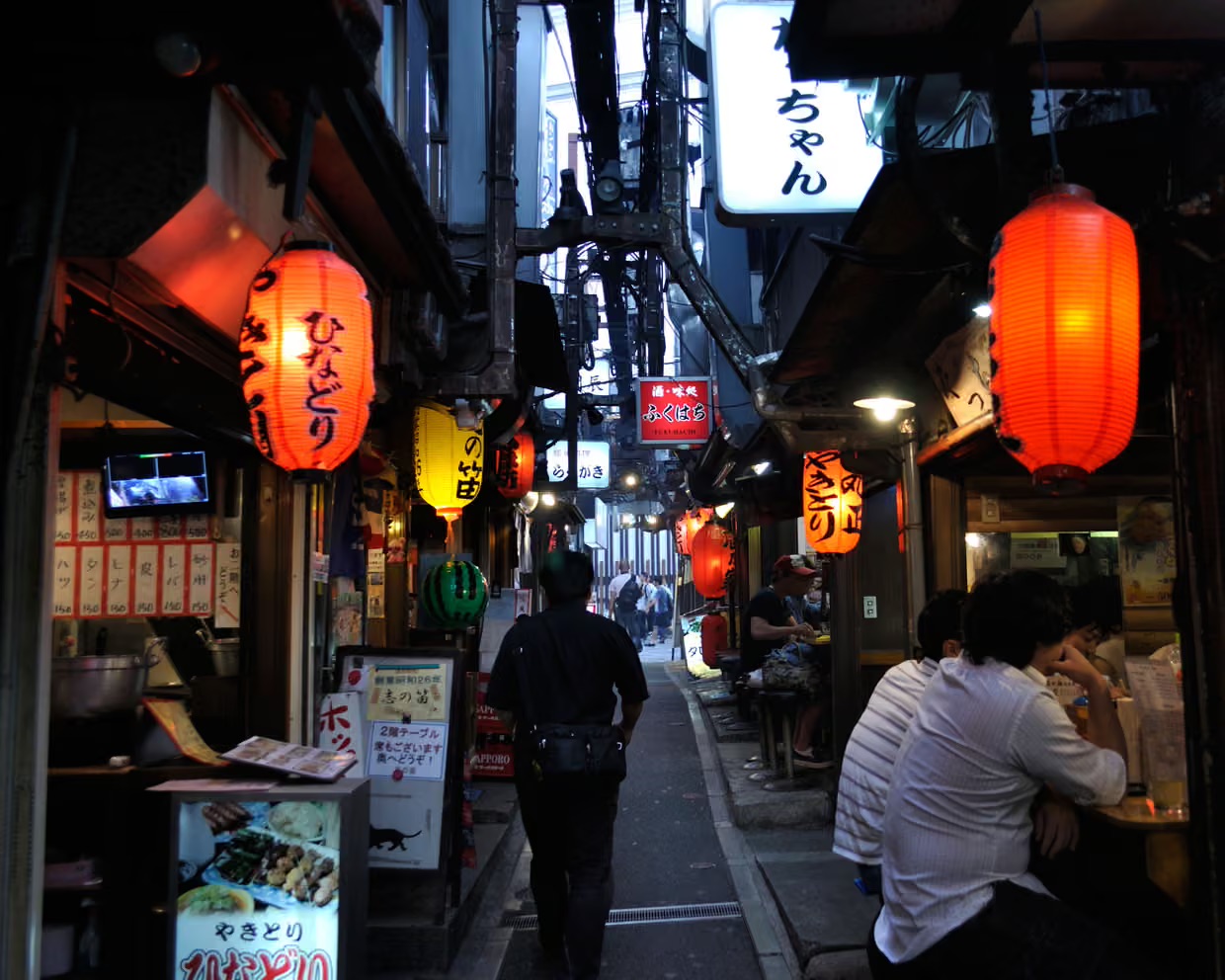
In September 2026, Shinjuku ward—one of Tokyo's most popular tourist destinations—implemented a ban on short-term rentals in residential areas and near cultural sites. The move came after a surge in complaints from residents about guest behavior, including improper waste disposal and excessive noise.
Shinjuku's decision represents an escalation in Japan's ongoing tension between tourism revenue and neighborhood livability. The ward, known for its vibrant nightlife and business districts, had become a hotspot for Airbnb and other STR platforms, but the rapid growth sparked friction with long-term residents who bore the costs of tourism without the benefits.
"Shinjuku ward targets accommodation in residential areas and near cultural sites as locals complain visitors disposing of rubbish improperly and being too noisy."
The ban does not apply universally across the ward—only to designated residential and heritage zones—but the restrictions effectively eliminate a significant portion of the STR market in the area.
The Financial Impact
While the article does not specify exact fines for violating hosts, the financial consequences are substantial:
| Impact Category | Consequence |
|---|---|
| Revenue loss | Immediate shutdown of STR operations in banned zones |
| Asset devaluation | Properties marketed as STRs lose this income stream |
| Legal exposure | Potential penalties for operating without permits in restricted areas |
| Platform delisting | Airbnb and competitors remove listings from banned neighborhoods |
Hosts who continue operating illegally in banned zones face removal from major platforms and potential regulatory fines, though specific penalty amounts were not disclosed in the initial announcement.
How LawfulStay Could Have Helped
This scenario illustrates why real-time regulatory monitoring is essential for STR operators. A search of LawfulStay's Japan database for Shinjuku would have revealed:
- Zoning restrictions on residential STR activity prior to the September 2026 announcement
- Complaint patterns and early warning signs from residents
- Proximity rules around cultural heritage sites
- Registration requirements unique to Tokyo's increasingly strict regulatory environment
Hosts who checked LawfulStay before investing heavily in Shinjuku properties could have avoided the pivot to new markets or pivoted their business model to comply with emerging restrictions. Those operating without consulting local regulations faced an abrupt operational shutdown.
Key Takeaways for Hosts
1. Zoning matters—check before you list. Residential vs. commercial designations are deal-breakers in Japan. Properties in family neighborhoods face higher restriction risk. Verify zoning status via LawfulStay before purchasing or listing.
2. Cultural proximity restrictions are real. Heritage sites and tourist-sensitive areas increasingly trigger bans. Map these zones in your target city before committing capital.
3. Resident complaints are an early warning system. Shinjuku's ban followed "a surge in complaints"—a signal that regulation was imminent. Monitor local sentiment and news in your neighborhood.
4. Platform enforcement happens fast. Once a ban is enacted, Airbnb and other platforms delist properties quickly to avoid regulatory exposure. Your listing can vanish overnight.
5. Japan's regulatory pendulum is swinging toward restriction. The 2018 Minpaku law opened the market; 2026 shows wards tightening control. Expect continued localization of rules rather than national liberalization.
The Bigger Picture
Shinjuku's ban reflects a global pattern: after years of rapid STR growth, major tourist cities are reasserting control over neighborhoods. Japan's approach is particularly localized—unlike France or Barcelona's top-down bans, Japanese regulation flows from ward-level governance, creating a patchwork of rules.
Tokyo has been especially active. The nation's Minpaku law (2018) nominally legalized STRs, but each of Tokyo's 23 wards has introduced tighter rules since. Shinjuku joins Chiyoda and Minato in banning STRs from residential zones. This trend will likely accelerate as overtourism complaints persist.
The lesson is clear: regulatory friction in Japan's premium tourist markets is structural, not cyclical. Hosts treating Tokyo as a stable, growth-oriented market should recalibrate expectations.
Stay Compliant
If you operate in Tokyo, Kyoto, Osaka, or other Japanese markets, your property's legal status depends on hyperlocal zoning. Shinjuku's ban could foreshadow similar restrictions in other wards and cities.
Search your city on LawfulStay today to confirm whether your neighborhood falls under residential restrictions, proximity rules to cultural sites, or other limitations. The difference between proactive compliance and reactive shutdown can be thousands of dollars—and your entire business model.
Regulation moves faster than most hosts expect. Know the rules before they close the door.