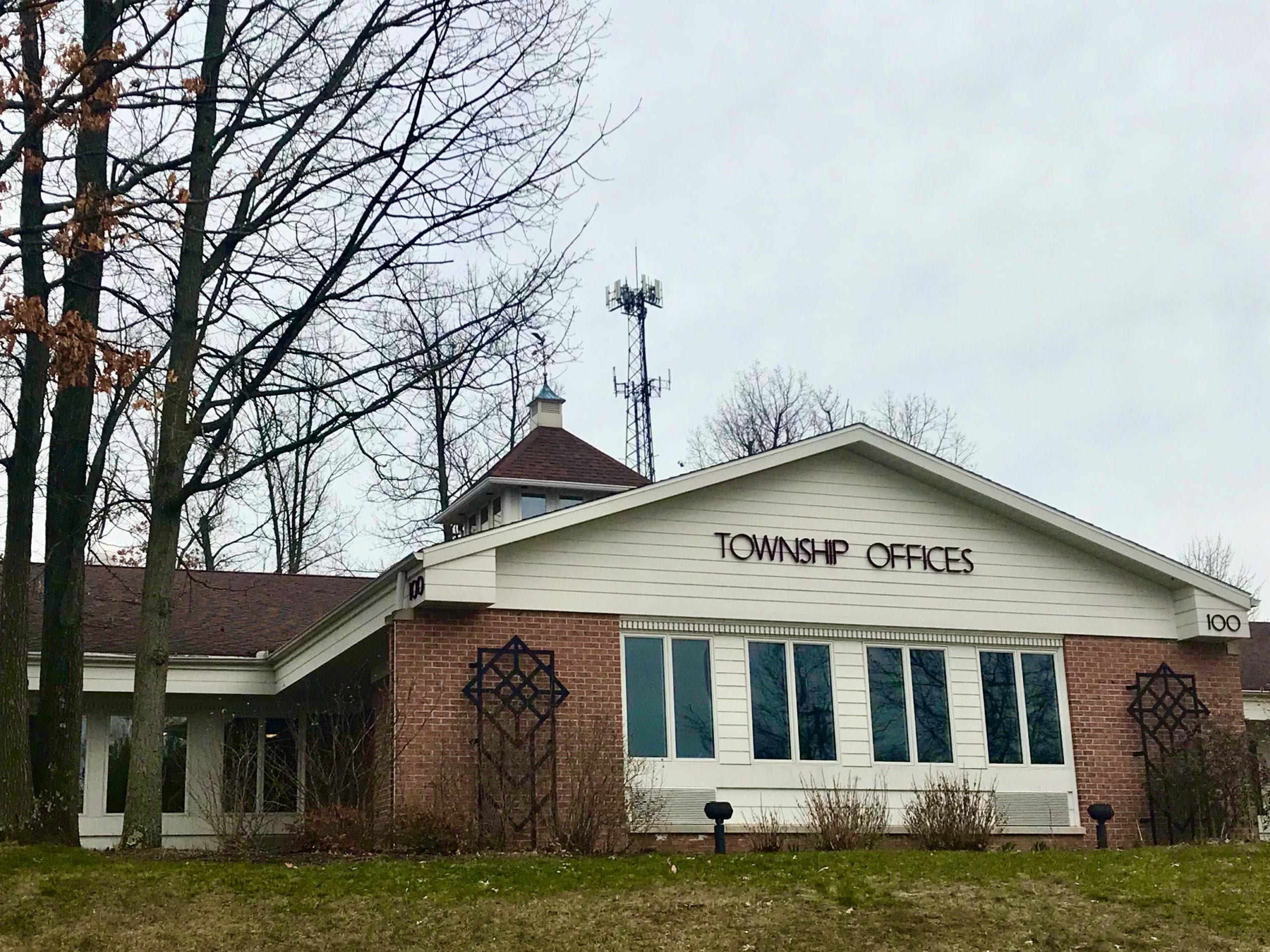
Quick answer: Patton Township, Pennsylvania adopted new short-term rental regulations effective October 31, 2026. Non-owner-occupied short-term rentals are allowed only in commercial and planned community zoning districts. Owner-occupied rentals are permitted in all residential zones with proof of residency. Permit fees increase to $150 in January 2027.
Key Facts
| Fact | Detail |
|---|---|
| Jurisdiction | Patton Township, Pennsylvania |
| What changed | Non-owner-occupied short-term rentals restricted to commercial and planned community zones; owner-occupied rentals allowed in residential zones; permit fees increase from $75 to $150; accessory dwelling units regulated; points system for violations continues |
| Who it affects | Hosts operating non-owner-occupied short-term rentals like Airbnb and Vrbo properties; owner-occupants renting spare capacity; property owners with accessory dwelling units |
| Status | Adopted |
| Effective date | October 31, 2026; permit fee increase effective January 2027 |
| Penalties | Permit revocation for one year after accumulating 10 points for maintenance or fire code violations |
| Governing body | Patton Township Board of Supervisors |
What Changed
Patton Township's Board of Supervisors adopted new short-term rental regulations on October 31, 2026, according to www.statecollege.com. The changes mark the end of a year-long review that followed the township's previous adoption of a permit requirement for any rental of one day or more.
The most significant change restricts non-owner-occupied short-term rentals to five zoning districts: C-1 General Commercial, C-2 Planned Commercial, C-T Commercial Transitional District, PC Planned Community (Toftrees and Oakwood only), and Planned Airport District (non-residential areas only). Owner-occupied short-term rentals remain allowed in all residential zoning districts.
To qualify as owner-occupied, property owners must live in the home for at least six months and provide two forms of proof, such as a driver's license, government-issued identification, tax returns, vehicle registration, voter registration, or utility statements. Property owners in communities with homeowners associations must provide proof that short-term rentals are allowed by the HOA.
The township also regulated accessory dwelling units, defining them as secondary living units with separate kitchens, bathrooms and sleeping areas. ADUs can be used for short- or long-term rentals under the new rules, but only one rental permit will be issued per owner-occupied dwelling. Mobile homes, campers and recreational vehicles do not qualify as ADUs and cannot be used as short-term rentals.
Effective in January 2027, rental housing permit fees will increase from $75 to $150. The township will continue its points system for property maintenance and fire code violations, with 10 accumulated points resulting in one-year permit revocation.
Who Is Affected
Non-owner-occupied short-term rental operators providing services like Airbnb and Vrbo are most affected. Existing licensed non-owner-occupied rentals operating outside permitted zones can continue as a non-conforming use until the property is sold or the license is revoked or lapses, at which point the residence must revert to a single-family home or long-term rental.
Owner-occupants who rent out spare capacity in their primary residences are permitted to continue in all residential zones, provided they meet the six-month residency requirement and provide proof. Property owners in homeowners associations must also verify that short-term rentals comply with HOA rules.
Property owners with accessory dwelling units are subject to new restrictions: ADUs can be rented short- or long-term only if the main dwelling is owner-occupied, and only one rental permit per owner-occupied dwelling will be issued.
What Hosts Should Do Now
-
Verify your zoning district if you operate a non-owner-occupied short-term rental. If your property is outside the five permitted commercial and planned community zones, determine whether you qualify for non-conforming use status and plan accordingly.
-
Document owner-occupancy if you rent part of your primary residence. Gather two forms of proof of residency, such as a driver's license, tax return, utility statement, or voter registration, and submit them with your permit application.
-
Confirm homeowners association compliance if your property is in an HOA community. Obtain written proof that short-term rentals are permitted before renewing or applying for a permit.
-
Update accessory dwelling unit records if you own or plan to use an ADU for short-term rental. Ensure the main dwelling is owner-occupied and that you apply for only one rental permit per property.
-
Budget for higher permit fees beginning in January 2027, when fees double from $75 to $150.
The Bigger Picture
Township Manager Amy Farkas said the changes balance complaints from non-owner-occupied operators who describe their rentals as small businesses providing transient housing for Penn State events with the township's residential zoning standards. "We do not allow small businesses in our residential zoning districts except for the ones that allow hotels," Farkas said, according to www.statecollege.com.
The township found during its year-long review that some property owners had created unauthorized apartments with cooking facilities. Farkas also noted that Pennsylvania's General Assembly appears poised to pass legislation allowing accessory dwelling units by right in residential districts, which would supersede local bans. The township worked with State College and other municipalities to preserve local authority over ADU short-term rentals while awaiting legislative clarity.
Frequently Asked Questions
Can I run a non-owner-occupied short-term rental in Patton Township residential areas?
No. Non-owner-occupied short-term rentals are now allowed only in commercial zoning districts (C-1, C-2, C-T), Planned Community zones (Toftrees and Oakwood), and the Planned Airport District. Existing rentals outside these zones can continue until the property is sold or the license is revoked. Owner-occupied rentals are allowed in residential zones.
Do I need a license for a short-term rental in Patton Township if I live there?
Yes, you need a permit. Owner-occupied short-term rentals are allowed in all residential zones if you live in the home for at least six months and provide two forms of proof of residency. The permit fee is currently $75 but increases to $150 in January 2027.
Can I use an accessory dwelling unit as a short-term rental in Patton Township?
Only if the main dwelling is owner-occupied and the owner provides proof of residency. ADUs on non-owner-occupied properties cannot be rented short-term. Only one rental permit will be issued per owner-occupied dwelling unit regardless of ADUs.
What happens if I violate Patton Township short-term rental rules?
The township uses a points system for property maintenance and fire code violations. Accumulating 10 points results in permit revocation for one year. Complaints can be filed with the Patton Township zoning officer or police department.
When do Patton Township's new short-term rental rules take effect?
The zoning and occupancy rules were adopted on October 31, 2026, and are in effect immediately. Permit fees increase from $75 to $150 beginning in January 2027.
Sources
- Patton Township Adopts New Short-Term Rental Regulations, www.statecollege.com
Check the current rules for your area in the LawfulStay directory.