What Happened
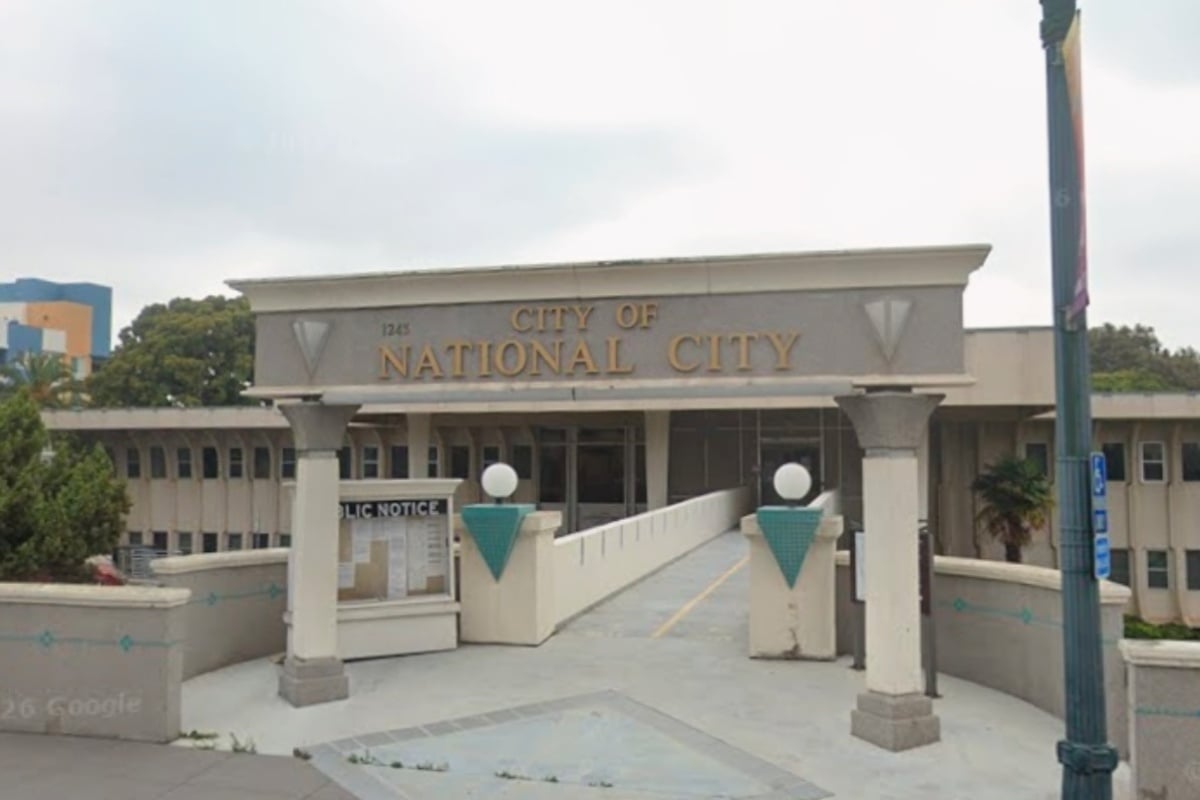
On September 13, 2026, National City, California officially implemented a sweeping short-term rental ordinance designed to curb criminal activity at unsupervised rental properties. The new law, unanimously passed by the National City Council in September 2025, caps total STR licenses citywide at just 180 units and requires all operators—including existing ones—to apply for fresh permits on a first-come, first-served basis. No existing rentals are grandfathered in.
The ordinance was born from a documented pattern of violence and criminal conduct at rental properties. City officials reported that unsupervised Airbnb and Vrbo units became locations for shootings, stabbings, drug use, and human trafficking. One property near Civic Center Drive was the site of a recent shooting; residents reported witnessing heavy partying, insufficient owner oversight despite security cameras, and concerning activity at all hours.
Councilmember Jose Rodriguez, who championed the crackdown, emphasized that the measure targets the root cause: absentee operators who failed to maintain real-world presence at their properties.
The Financial Impact
The enforcement structure carries meaningful financial consequences for non-compliance:
| Cost/Fine Item | Amount | Trigger |
|---|---|---|
| Permit Violation Fine | Up to $1,500 | Violating permit terms (noise, oversight, safety) |
| Permit Revocation | License loss | Permit violations; criminal record disqualification |
| Application Reprocessing | Varies | Denied initial application; reapplication on next availability |
| Lost Rental Revenue | Ongoing | Properties exceeding 180-unit cap cannot operate legally |
Beyond fines, the real financial impact lies in the 180-unit cap itself. National City has four council districts, each receiving only 45 permitted STR licenses (45 × 4 = 180 total). This hard cap means any operator unable to secure a permit in the first-come, first-served window faces permanent prohibition from short-term renting in the city—effectively eliminating an entire revenue stream.
Operators with criminal records (particularly involving prostitution or serious crimes) are categorically ineligible, with no opportunity to appeal or apply. Background checks are mandatory for all applicants.
How LawfulStay Could Have Helped
This case exemplifies why hosts must verify local rules before acquiring or operating a property. Had an STR operator in National City checked LawfulStay.com's database in mid-to-late 2025—after the ordinance passed but before implementation—they would have discovered:
- The September 2026 effective date
- The hard 180-unit cap (eliminating any assumption of unlimited licenses)
- The no-grandfather clause (forcing all operators to reapply)
- The 24/7 on-site or available oversight requirement
- The $1,500 fine threshold for permit violations
- The criminal background check disqualification criteria
Armed with this information, a host could have:
- Prepared documentation early for the permit application portal launch
- Assessed profitability against the 24/7 oversight requirement (which may require hiring a property manager)
- Evaluated criminal record exposure before investing further in the property
- Pivoted to neighboring jurisdictions with more permissive rules if the cap made National City unviable
"Unsupervised Airbnb and Vrbo properties had become locations for criminal activity. Around-the-clock oversight is now mandatory—meaning someone must be on-site or available 24 hours a day to handle issues."
Without proactive compliance research, operators face the scenario now unfolding: scrambling to reapply under new rules, competing for only 180 slots, and potentially losing their business overnight if they miss the deadline or lack proper documentation.
Key Takeaways for Hosts
-
Verify rules before you buy or expand. A property search on LawfulStay would have revealed National City's incoming restrictions before implementation. Don't assume yesterday's rules apply tomorrow.
-
Understand "first-come, first-served" timelines. When permits reopen on a new basis—especially with a hard cap—delays in application cost real money. Mark application launch dates on your calendar and prepare documents in advance.
-
Budget for 24/7 oversight compliance. National City now requires round-the-clock property management or owner presence. This isn't optional; violations trigger $1,500 fines and permit revocation. Calculate whether hiring a property manager preserves profitability.
-
Know your background check disqualifications. Criminal records related to prostitution, trafficking, or serious felonies now disqualify operators outright. If this applies to you, National City is permanently closed—plan accordingly.
-
Stay ahead of safety-driven crackdowns. When cities experience violence at STR properties, regulatory backlash follows swiftly and harshly. Monitor local crime reports and city council agendas in your market to anticipate changes.
The Bigger Picture
National City's ordinance reflects a nationwide trend: municipalities are shifting from light-touch STR regulation to intensive oversight, particularly when properties become linked to crime or nuisance complaints. Cities like Los Angeles, New York, and San Francisco have enacted similarly restrictive caps, mandatory operator registrations, and 24/7 availability rules.
The financial and safety justification is sound. Absentee hosts create accountability vacuums; problems escalate unchecked. But the consequence for operators is clear: the era of passive, hands-off STR investing is ending. Jurisdictions are now demanding active, professional property management as a condition of licensure.
Hosts who stay compliant—who check LawfulStay before operating, who adapt to local rules, and who invest in proper management—will survive and thrive in this new environment. Those who ignore changing rules or assume grandfathered status will find themselves unpermitted, fined, or locked out of markets entirely.
Stay Compliant
National City and other California operators: Check your jurisdiction on LawfulStay.com today. Search National City to see the full 180-unit cap, permit requirements, 24/7 oversight mandate, background check criteria, and application deadlines. For property managers and investors weighing expansion into new markets, LawfulStay's database of 1080+ jurisdictions globally lets you compare regulations before you commit capital.
Don't let a $1,500 fine or permit revocation catch you off guard. Know the rules, apply on time, and operate with intention.