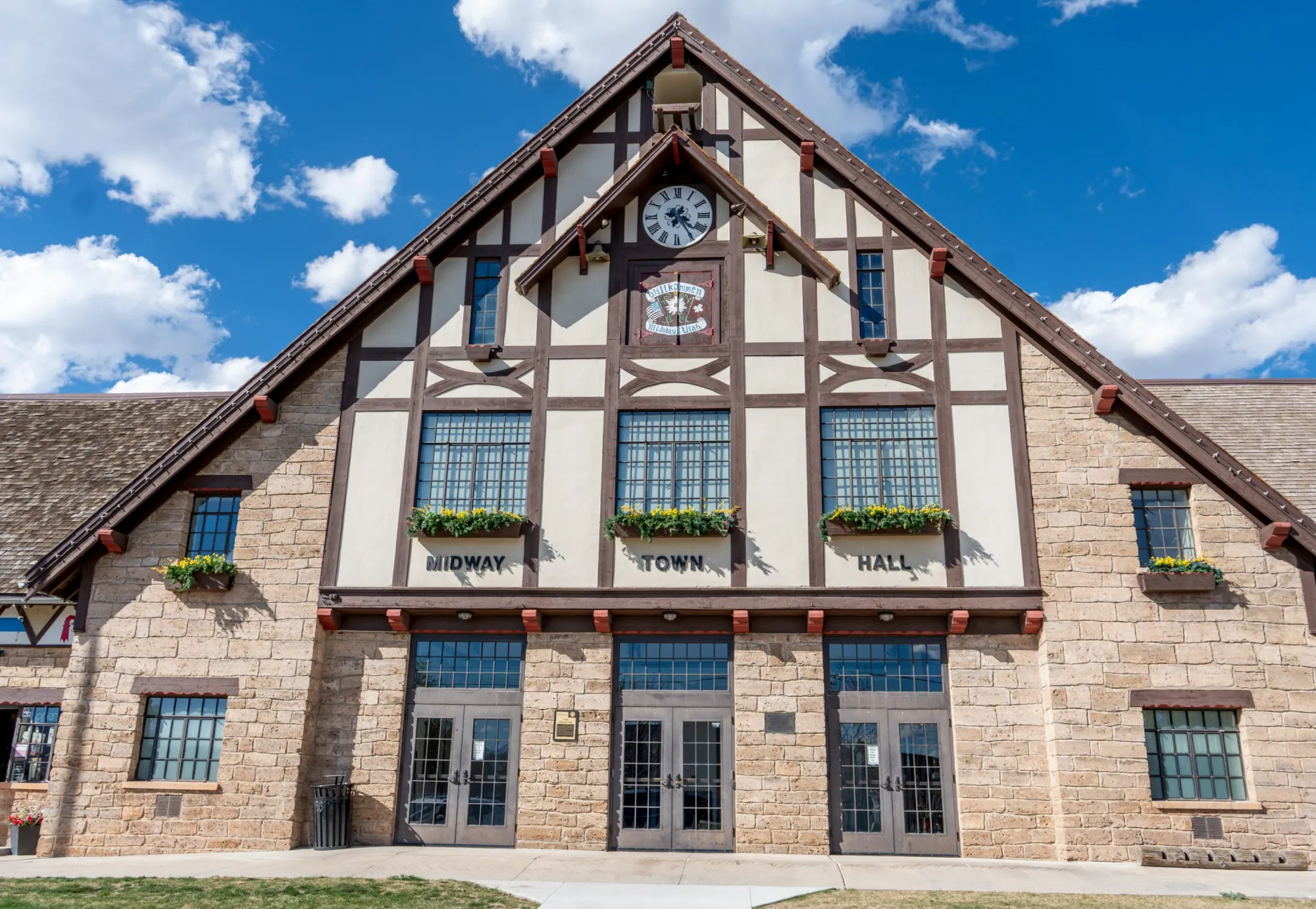
What Happened
In August 2026, the town of Midway, Utah announced plans to expand prohibitions on nightly short-term rentals (STRs) across additional residential neighborhoods. According to reporting by the Park Record, Midway officials are moving forward with stricter zoning regulations that would ban vacation rental operations—particularly those accepting guests on a nightly basis—in neighborhoods beyond those already restricted.
The expansion marks a significant shift in Midway's approach to managing short-term rental activity. Previously, only certain zones faced outright bans, but the new proposal would extend these restrictions to residential areas that currently permit nightly rentals. The town's planning and zoning department has reportedly identified specific neighborhoods where the ban would take effect, though the exact timeline for implementation remains under review.
This regulatory tightening reflects a broader tension between property owners' rental income opportunities and community concerns about neighborhood character, parking congestion, and the loss of long-term housing stock.
The Financial Impact
While the Park Record article does not provide specific fine amounts or financial penalties, the impact on affected hosts could be substantial:
| Financial Impact Category | Potential Consequence |
|---|---|
| Lost Rental Income | Hosts operating nightly rentals in banned zones must cease operations immediately |
| Property Value Depreciation | Homes previously valued for short-term rental income may lose market value |
| Forced Conversion Costs | Hosts may incur expenses converting to long-term rentals or selling at a loss |
| Legal Compliance Costs | Hiring attorneys to review ordinances and challenge bans if permitted |
| Operational Wind-Down | Canceling bookings, refunding guests, and losing projected seasonal revenue |
For hosts operating multiple properties across Midway, the cumulative financial loss could easily reach tens of thousands of dollars annually. Those who invested in properties specifically for STR income face the hardest hit.
"Midway wants to ban nightly rentals in more neighborhoods." — Park Record, August 18, 2026
How LawfulStay Could Have Helped
This case exemplifies why hosts need access to real-time regulatory intelligence before purchasing property or launching an STR business.
A simple LawfulStay search for Midway, Utah would have shown:
- Current zoning restrictions on nightly rentals by neighborhood
- Proposed regulatory changes under review by the town council
- Historical trend data showing that Midway has progressively tightened STR rules
- Timeline for ordinance adoption and effective dates
- Alternative compliance paths, such as whether monthly-minimum rentals remain permitted
Hosts who consulted LawfulStay before purchasing property in Midway could have: 1. Identified neighborhoods with stable STR policies 2. Avoided investing in zones already flagged for future bans 3. Negotiated purchase prices lower than those without STR restrictions 4. Pivoted to long-term rental models or alternative markets entirely
Even existing operators could have monitored upcoming regulation changes through LawfulStay alerts, giving them time to contact town officials, gather community support, or plan an exit strategy—rather than facing an abrupt ban.
Key Takeaways for Hosts
-
Verify your specific neighborhood's rules before investing. Midway's zoning is granular; just because one area permits nightly rentals doesn't mean your address does. Use LawfulStay to cross-reference your exact property against current and proposed restrictions.
-
Monitor regulatory trends, not just current rules. Midway's expansion signals that the town is moving toward greater restrictions. Hosts should assume that today's permitted zones may face bans within 2–5 years. Track voting records and planning meeting agendas.
-
Understand the difference between legal and sustainable. Even if nightly rentals are legal now, community opposition and councilmember campaigns could change that quickly. Build operational flexibility into your business model.
-
Have a contingency plan for ban scenarios. Before operating, outline how you'd pivot if nightly rentals were banned: Can you convert to monthly minimums? Is your market attractive for long-term tenants? What's your exit strategy?
-
Engage with local governance proactively. Hosts facing bans should attend planning meetings, join property owner associations, and advocate transparently. Late-stage involvement rarely succeeds; early participation shapes outcomes.
The Bigger Picture
Midway's expansion of nightly rental bans reflects a nationwide trend: mountain towns and resort communities are increasingly viewing short-term rentals as a threat to residential neighborhoods and long-term housing availability. Towns like Vail (Colorado), Jackson Hole (Wyoming), and Aspen (Colorado) have implemented similar bans or severe restrictions over the past decade.
Utah's Wasatch County region—home to world-class ski resorts and vacation destinations—faces acute housing pressure. Locals are being priced out as investors purchase residential properties for STR conversion, driving up real estate costs and reducing the rental stock available to full-time residents. Midway's decision reflects resident frustration and a political choice to prioritize year-round community stability over tourist-driven revenue.
For hosts operating in mountain resort towns, this trend is existential. Regulatory bans are moving faster than ever, and "grandfathering" protections are rare.
Stay Compliant
If you own property in Midway or any Utah jurisdiction, check your compliance status today on LawfulStay. Our database covers 730+ jurisdictions globally and is updated in real time as ordinances change. You'll see:
- Whether your specific address is in a banned zone
- Upcoming regulatory changes in the proposal stage
- Allowed rental minimums (monthly vs. nightly)
- Local contact information for permitting and enforcement
- Historical regulation timelines so you can anticipate future changes
Don't learn about a ban from a cease-and-desist letter. Visit LawfulStay today and verify your jurisdiction's rules before your next booking.