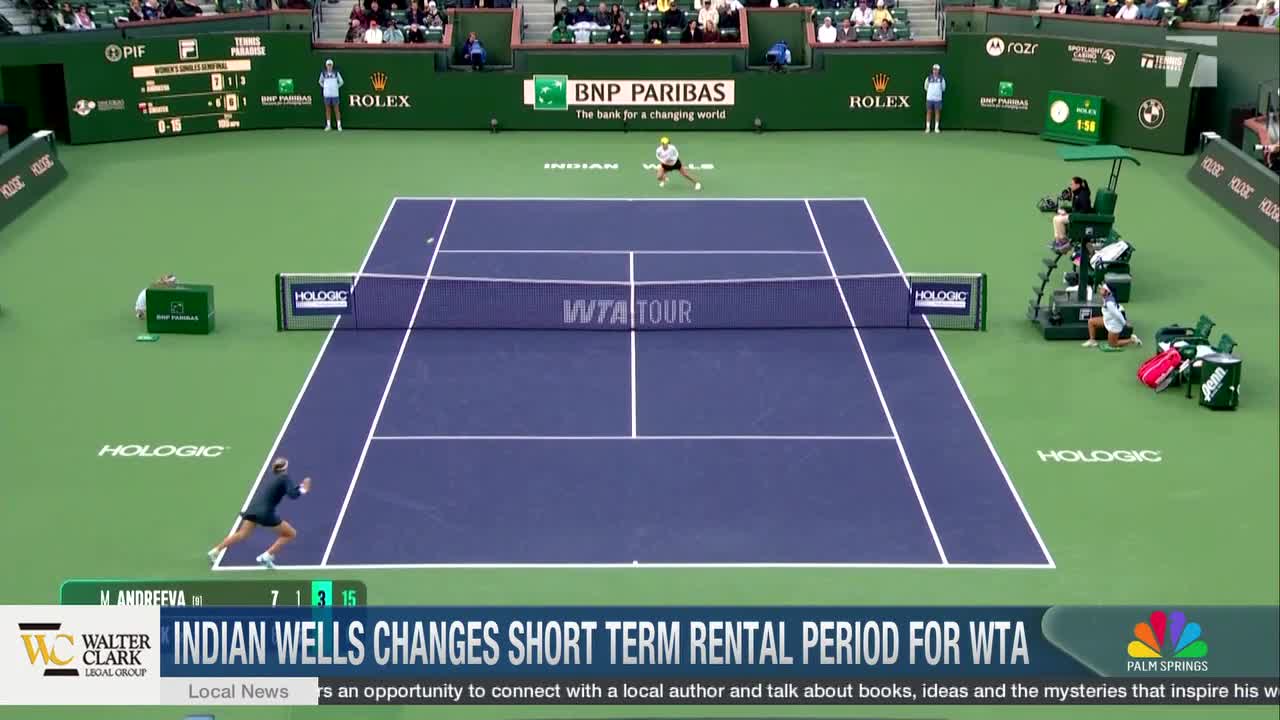
What Happened
Indian Wells, California, a popular desert destination in Riverside County, announced significant changes to its short-term rental regulations in September 2026. The city council updated its STR ordinance ahead of the WTA Finals tennis tournament, reportedly to manage increased visitor demand and address neighborhood concerns.
While the specific provisions were not detailed in public reporting at the time of announcement, the timing suggests the city sought to establish clearer rules before the high-profile sporting event brought an influx of travelers seeking accommodation alternatives to hotels.
The Financial Impact
The direct cost to individual hosts remains unclear from available reporting, but regulatory changes in similar California jurisdictions typically involve:
| Cost Category | Typical Range | Notes |
|---|---|---|
| New permit/license fee | $200–$500 | Registration or renewal costs |
| Annual compliance verification | $100–$300 | Background checks, property inspections |
| Potential back taxes/penalties | $1,000+ | If previously unlicensed operations are discovered |
| Legal review of new rules | $500–$2,000 | Consultation to understand new requirements |
Hosts who failed to comply with the updated rules before the finals risked citations, fines, and potential delistings from platforms like Airbnb and VRBO—costs far exceeding proactive compliance.
"Cities updating STR ordinances often do so in response to specific events or complaints. Hosts who don't monitor regulatory changes in their jurisdiction can face sudden enforcement action."
How LawfulStay Could Have Helped
A search of LawfulStay's 1080+ jurisdiction database for "Indian Wells, California" would have revealed the city's STR regulatory framework before the announced changes. Our platform tracks:
- Licensing requirements – Whether STR permits are mandatory
- Owner-occupancy rules – If hosts must live on-site
- Zoning restrictions – Which neighborhoods allow rentals
- Event-based updates – Regulatory shifts tied to seasonal events like the WTA Finals
- Enforcement history – City enforcement patterns and penalty ranges
Hosts who monitored LawfulStay in early 2026 would have had notice of pending rule updates and ample time to:
- Obtain required permits before any grace period expired
- Adjust their rental operation to meet new zoning or occupancy rules
- Budget for compliance costs
- Avoid fines or forced delistings during the high-revenue finals period
Without this intelligence, hosts faced reactive compliance—scrambling to understand new rules amid peak booking season.
Key Takeaways for Hosts
1. Monitor your jurisdiction proactively. Major events, seasonal tourism spikes, and city council agendas often precede STR rule changes. Check LawfulStay monthly for updates in your city.
2. Understand the "why" behind rule changes. Indian Wells updated rules before the WTA Finals to manage tourism infrastructure and neighborhood impact. Cities typically tighten rules when event-driven demand strains housing and services. Being aware of these patterns helps you anticipate future changes.
3. Maintain compliance documentation. Keep records of permits, licenses, tax filings, and property inspections. When regulations shift, you'll have proof of good-faith compliance and can advocate for transition periods.
4. Budget for regulatory compliance as an operating cost. Permits, annual verification fees, and legal review are not optional—they're business expenses. Factor them into your pricing model.
5. Join local STR host associations. These groups often receive early notice of regulatory discussions and can collectively advocate for reasonable compliance timelines.
The Bigger Picture
Indian Wells is one of hundreds of jurisdictions refining STR rules to balance tourism revenue with neighborhood livability. California cities in particular have tightened regulations over the past three years, with ordinances addressing owner-occupancy, noise complaints, and permit caps.
The correlation between major events and STR regulation is clear: cities want to ensure that vacation rental activity doesn't overwhelm local services or create negative guest experiences that damage the city's reputation. Hosts who stay ahead of these changes protect their investment and revenue streams.
Stay Compliant
Don't let regulatory changes catch you off guard. Search your city on LawfulStay today to review current STR rules, permit requirements, and recent updates in your jurisdiction. With 1080+ cities in our database, you'll find the specific regulations governing your property—and the confidence to operate legally.
Your short-term rental business depends on knowing the rules. Let LawfulStay be your guide.