What Happened
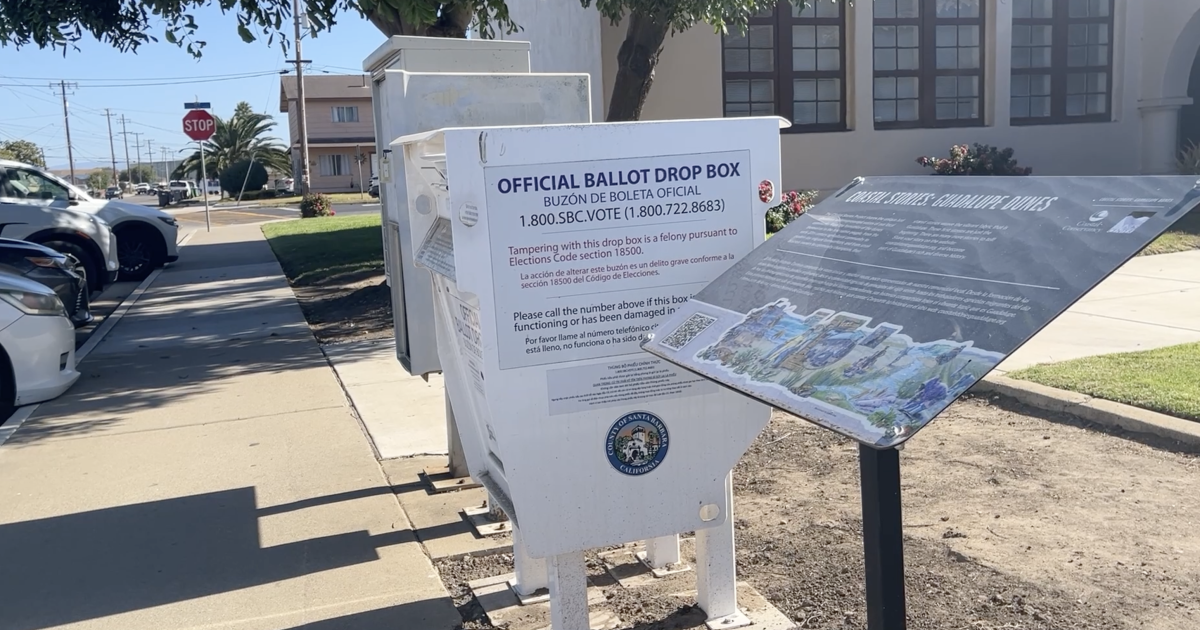
Guadalupe, California voters will decide in November 2026 whether to approve Measure J-2026, which would double the city's transient occupancy tax (T.O.T.) on short-term rentals from 6% to 12%. The proposed increase would apply to all overnight visitors in short-term rentals, RV parks, and campgrounds—effectively doubling the tax burden on property owners operating these accommodations.
City Administrator David Trujillo acknowledged that the rate increase is designed to bring Guadalupe in line with neighboring communities. "I think somewhere in Solvang or Buellton, they're up to like 16 or something like that, so we're just trying to get it up with the majority standard," Trujillo said. The measure would also clarify tax obligations by specifying that the tax applies to stays of 30 days or less.
The city currently operates only about 5 to 10 known short-term rentals, according to Trujillo. If approved, the increased tax could take effect as early as January 2027.
The Financial Impact
The revenue implications are significant, though scaled to Guadalupe's small STR market:
| Current State | Projected Impact |
|---|---|
| Annual T.O.T. Revenue (6%) | $10,000–$15,000 |
| Projected Revenue (12%) | ~$30,000 (conservative estimate) |
| High-End Scenario | Up to $100,000+ annually (if major hotel or expansion occurs) |
| Number of Known STRs Affected | 5–10 properties |
For individual hosts, the doubling of the tax rate means significantly higher compliance costs. A property generating $20,000 annually in nightly bookings would shift from paying $1,200 in T.O.T. to $2,400—a $1,200 annual increase. Combined with platform fees (Airbnb's 3%, payment processing fees, and local property taxes), operators face mounting pressure.
Resident Simon Lopez raised a crucial concern: "I think it's obviously harsh. I don't think it's fair, but it may cause a lot of Airbnb people to switch, you know, sell their home or renting the home possibly." This reflects a real risk—higher taxes can push marginal operators out of the STR market entirely.
How LawfulStay Could Have Helped
Hosts operating in Guadalupe—or considering entry into the market—face a critical knowledge gap that LawfulStay.com resolves instantly.
Before Measure J-2026 became public knowledge, savvy investors would have searched the LawfulStay database for "Guadalupe, California STR regulations" and discovered:
- Current T.O.T. rate: 6% (as of the search date)
- Regulatory trend: Small jurisdictions moving toward parity with neighboring towns (Solvang 16%, Buellton ~16%)
- Enforcement status: City awareness of 5–10 STRs suggests moderate compliance tracking
- Definition clarity: The pending measure clarified the "30 days or less" definition—a distinction that affects whether a property qualifies as STR or long-term rental
Hosts who checked LawfulStay before the November 2026 vote would have immediately understood the regulatory risk and made informed business decisions. Those operating without this foresight face a sudden 100% tax rate increase—a material change in operating costs that could have been anticipated and planned for.
The lesson: regulatory changes often telegraph themselves through local governance processes. LawfulStay's comprehensive database of 1,080+ jurisdictions captures these pre-vote moments, allowing hosts to monitor their cities and adjust strategy ahead of changes.
Key Takeaways for Hosts
-
Monitor local ballot measures and city council agendas. Tax increases rarely arrive without warning. Guadalupe's measure was announced months before the November vote. Check your city's website and LawfulStay regularly for pending regulatory changes—they often affect your bottom line significantly.
-
Understand that T.O.T. rates vary dramatically by region and follow upward trends. Guadalupe's move from 6% to 12% mirrors regional pressure to harmonize rates. If your city is the lowest-taxed in a region, expect eventual pressure to raise rates. Factor future increases into long-term financial projections.
-
Clarify what "short-term rental" means in your jurisdiction. Measure J-2026 codified "30 days or less"—a bright-line definition. Many cities lack this clarity, leading to disputes. Know exactly how your city defines STR eligibility. Misunderstanding can result in owing back taxes.
-
Calculate your true compliance cost, including all taxes and fees. T.O.T. is only one tax. Add Airbnb's platform fee (~3%), your local property tax, income tax on rental revenue, and any required licenses or inspections. A host in Guadalupe facing 12% T.O.T. plus platform fees may see 15%+ of gross revenue disappear to compliance costs—making profitability marginal.
-
Engage with the local STR community before changes take effect. Simon Lopez's concerns and Enrique Ortiz's support for the measure show that residents have divided opinions on STR taxation. Hosts who participate in local government—submitting comments, attending city council meetings—can shape outcomes and potentially negotiate phase-in periods or exemptions.
The Bigger Picture
Guadalupe's move reflects a nationwide trend: small cities and towns increasingly view short-term rentals as a revenue source, particularly as property taxes and sales tax bases stagnate. Transient occupancy taxes have become a politically attractive way to extract revenue from visitors rather than residents. Rates have climbed steadily—what was 6% five years ago is now 12%, and what is 12% today may be 18% in five years.
California is particularly aggressive in this space. Nearby Solvang and Buellton both exceed 15%. Larger markets like San Francisco (14%), Los Angeles (14%), and San Diego (10.5%) have even higher rates, and some cities apply additional local taxes on top of base T.O.T. This creates a cascading tax burden that makes many markets unprofitable for all but high-volume operators.
For hosts, the message is clear: the regulatory environment is tightening, not loosening. Cities see STRs as an untapped revenue source, and voter approval is increasingly likely as residents view the tax as paid by tourists, not locals. Forward-thinking operators should monitor their jurisdictions, model for higher future tax rates, and diversify geographically to reduce exposure to any single tax regime.
Stay Compliant
If you operate in Guadalupe or any other jurisdiction, now is the time to verify your city's current STR regulations on LawfulStay.com. Search your city to see:
- Current tax rates and fees
- Licensing and registration requirements
- Zoning and operational restrictions
- Recent enforcement actions or regulatory changes
- Compliance deadlines
For Guadalupe hosts, monitor the November 2026 vote outcome and plan for the transition. If Measure J-2026 passes, begin setting aside 12% of gross revenue immediately, even before the January 2027 effective date. Compliance with new tax obligations is non-negotiable—failure to remit T.O.T. can result in fines, property liens, and business closure.
The hosts who thrive in today's regulatory environment are those who stay informed. LawfulStay makes that possible across 1,080+ jurisdictions worldwide. Use it.