What Happened
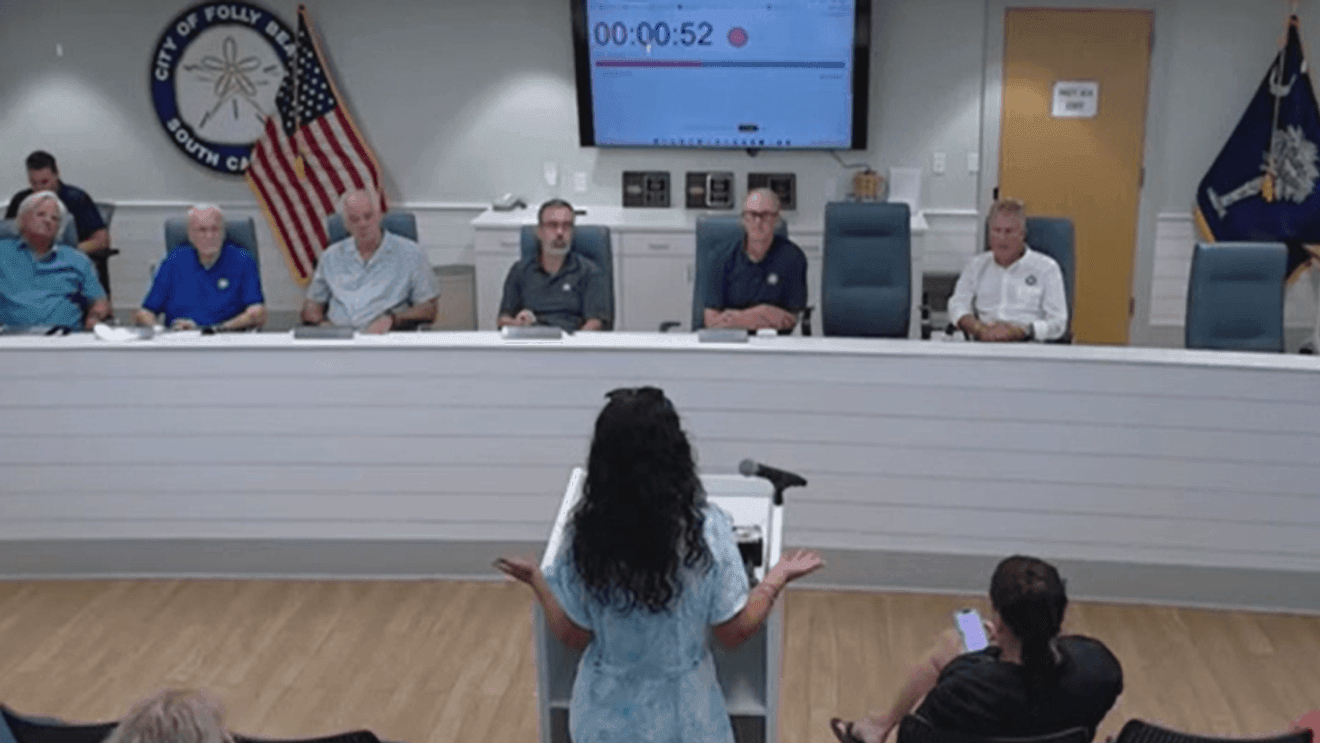
Folly Beach, South Carolina recently erupted in controversy over proposed short-term rental (STR) caps that have divided city officials and community members. The heated council meeting revealed deep fractures within the community, with stakeholders on opposing sides of the regulation debate presenting conflicting visions for the beach town's future.
While specific fine amounts or enforcement actions were not detailed in initial reports, the core conflict centers on how many STRs should be permitted in Folly Beach and what provisions should govern them. This type of regulatory uncertainty creates a precarious situation for property owners already operating STRs or considering entering the market.
The Financial Impact
While the article does not specify exact financial penalties, the broader implications are significant:
| Impact Category | Potential Cost |
|---|---|
| Legal costs for compliance disputes | $5,000–$50,000+ |
| Loss of rental income if units become non-compliant | Varies by occupancy rate |
| Fines for operating without proper licenses | Typically $500–$5,000+ per violation |
| Property devaluation if caps restrict operations | 10–30% potential loss |
| Administrative time and uncertainty costs | $2,000–$10,000+ |
The real danger lies in regulatory limbo. Property owners face uncertainty about whether their existing operations will be grandfathered in, whether new restrictions will apply retroactively, and what compliance costs they'll incur as rules evolve.
"A wedge in this community" — the exact phrase used to describe the STR debate — captures how poorly communicated or hastily implemented rental regulations can fracture neighborhoods and pit neighbors against each other.
How LawfulStay Could Have Helped
If Folly Beach property owners had accessed LawfulStay's comprehensive regulatory database for South Carolina and the Charleston County area, they would have had:
-
Advance notice of regulatory trends: LawfulStay tracks regulation changes across 1,080+ jurisdictions. Hosts would have seen the warning signs that a rental cap discussion was brewing before the contentious council meeting.
-
Clear current rules: Our database spells out existing Folly Beach STR provisions, including any caps already in place, licensing requirements, and owner-occupancy rules. This clarity helps hosts make informed investment decisions.
-
Peer jurisdiction analysis: By comparing Folly Beach's rules to neighboring Charleston and other coastal South Carolina towns, hosts could anticipate which restrictions might come next and plan accordingly.
-
Compliance roadmaps: Rather than scrambling when regulations change, hosts would understand exactly what's required to stay in good standing—avoiding the costly disputes now erupting in their community.
A host who had checked LawfulStay before purchasing or expanding their STR portfolio would have understood the regulatory risk and either delayed investment, structured their business differently, or prepared for advocacy efforts much earlier.
Key Takeaways for Hosts
-
Know the rules before you invest: Never buy a property or commit capital to STR operations without researching current local regulations. Regulatory changes can happen quickly and may not be grandfathered in.
-
Track regulation changes in real-time: Subscribe to updates for your city and state. LawfulStay's database is regularly updated as jurisdictions introduce new rules—staying informed keeps you ahead of enforcement actions.
-
Understand the political landscape: Heated council debates signal coming change. If your community is divided over STRs, assume tighter restrictions are likely. Plan contingencies now.
-
Engage early in the process: Don't wait for regulations to pass. Attend council meetings, understand what neighbors and officials want, and participate in the process. Proactive hosts often secure grandfather clauses or transition periods.
-
Document your compliance meticulously: Once you understand the rules, keep detailed records—licenses, inspections, guest logs, tax payments. This documentation protects you if regulations tighten or enforcement increases.
The Bigger Picture
Folly Beach's STR conflict is not isolated. Across the United States, coastal communities and popular tourist destinations are grappling with how to balance tourism revenue, property owner rights, and neighborhood livability. Some jurisdictions have implemented strict caps (limiting total number of STRs), while others have adopted owner-occupancy requirements, licensing fees, or geographic restrictions.
South Carolina has seen particular pressure on this issue. Charleston, Hilton Head, and other coastal towns have implemented various regulatory frameworks, creating a patchwork that confuses newcomers to the market. When property owners don't understand these distinctions—or worse, assume their local rules mirror neighboring cities—they make costly mistakes.
The Folly Beach situation exemplifies what happens when regulatory dialogue breaks down. Community members feel unheard, officials feel pressured by competing interests, and property owners caught in the middle suffer financial and reputational damage. The solution is transparency and education from the start.
Stay Compliant
If you own or operate a short-term rental in Folly Beach, Charleston County, or anywhere in South Carolina, check your jurisdiction on LawfulStay today. Our database provides the authoritative, up-to-date rules you need to make smart decisions—before heated council meetings force your hand.
Don't be caught in the next regulatory surprise. Know the rules, stay compliant, and protect your investment. Visit LawfulStay.com and search your city now.