What Happened
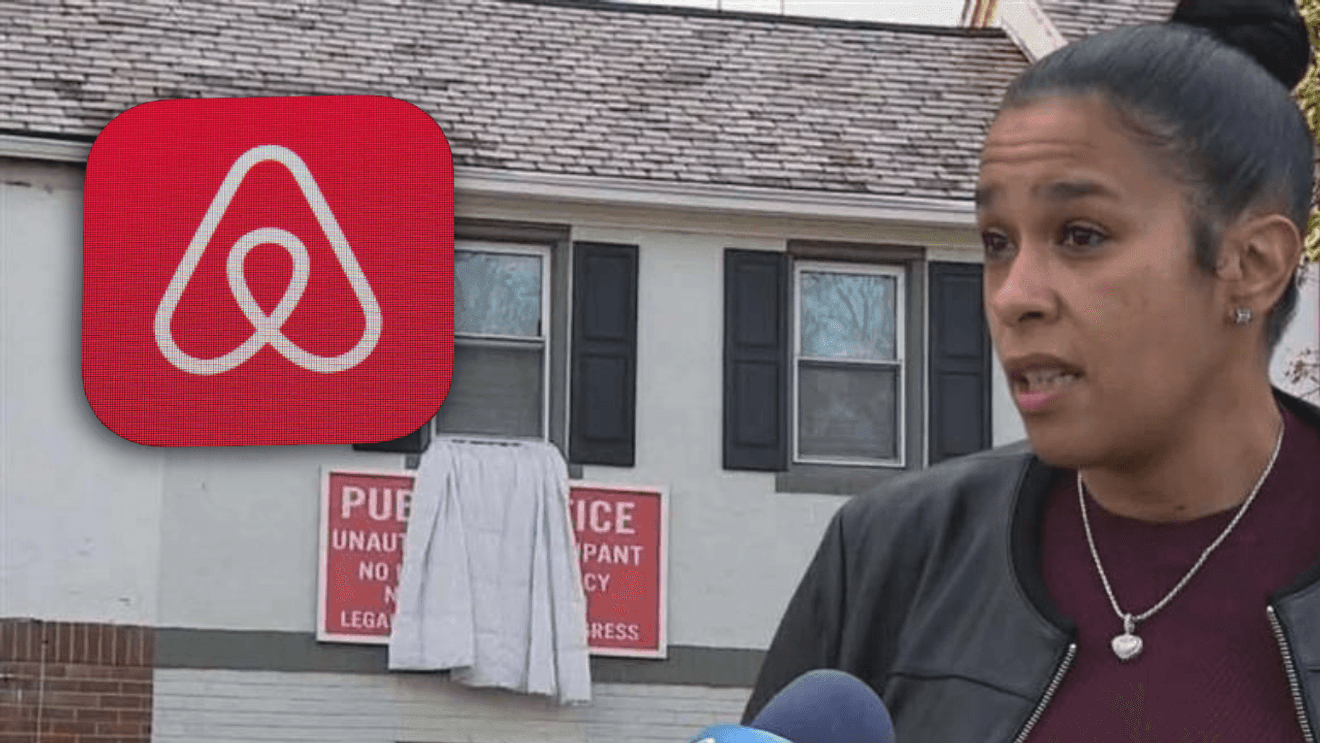
After a local news investigation exposed significant gaps in Washington, DC's short-term rental enforcement and property management practices, the DC Council is moving to tighten regulations on the rental market. The story, highlighted by 7News' investigative segment, revealed problems with how the city handles occupancy violations and unauthorized short-term rentals in residential properties.
The exposure prompted DC officials to examine Bill 26-757, the Illegal Occupancy Enforcement Amendment Act, as a potential solution to address property owner confusion and enforcement inconsistencies. The proposed legislation aims to clarify rules for residential properties being used as short-term rentals and provide better protections for legitimate property owners and tenants alike.
Check the Rules on LawfulStay
LawfulStay tracks short-term rental rules place by place. Each place page shows where each rule comes from, an official source or news reports, and when it was last checked. Places we have not verified yet are labelled that way.
View Washington D.C. rules on LawfulStay.
Key Takeaways for Hosts
-
Register and license before listing. DC short-term rental operations require proper registration with the city. Do not assume that listing on a major platform (Airbnb, Vrbo, etc.) automatically makes your operation legal. Verify your jurisdiction's specific requirements on LawfulStay.
-
Understand occupancy vs. short-term rental distinctions. The DC investigation highlighted confusion between illegal occupancy (long-term unauthorized residents) and compliant short-term rentals. Know your city's definitions and duration limits before accepting bookings.
-
Tax compliance is non-negotiable. DC requires income reporting for short-term rental activity. Failing to file taxes, even if other rules are unclear, creates a separate liability that can multiply penalties and legal exposure.
-
Stay informed when regulations change. Bill 26-757 and similar amendments can shift the rules overnight. Check LawfulStay regularly or subscribe to updates for your jurisdiction so you don't get caught operating under outdated assumptions.
-
Document everything and keep proof of compliance. Maintain records of licenses, permits, tax filings, and guest agreements. If enforcement questions arise, documentation of good-faith compliance efforts can significantly reduce penalties.
The Bigger Picture
Washington, DC is not alone in struggling with short-term rental oversight. Cities across North America have discovered that poorly defined rules lead to:
- Honest hosts accidentally breaking the law
- Exploitative operators using "STR" loopholes to run illegal boarding houses
- Tenant displacement and housing supply reduction
- Lost tax revenue and enforcement backlogs
The DC Council's move to clarify regulations through Bill 26-757 reflects a national trend toward tighter, more transparent STR rules. Jurisdictions are shifting from vague or absent regulations to explicit frameworks that spell out what is—and is not—allowed. This is actually good news for compliant operators, because it reduces uncertainty and levels the playing field against bad actors.
Property owners who embrace these changes and ensure compliance early gain a competitive advantage and reduce legal risk.
Stay Compliant
If you own property in Washington, DC, or any other jurisdiction, your first step should be a comprehensive compliance check on LawfulStay. Search your city, review the current requirements, and bookmark the page so you can monitor updates as regulations evolve.
Don't let your short-term rental operation become the next enforcement case study. Know the rules, follow them, and protect your property—and your income.
Check your city on LawfulStay.com today. With thousands of jurisdictions covered, you'll find the answers you need to stay legally compliant.