What Happened
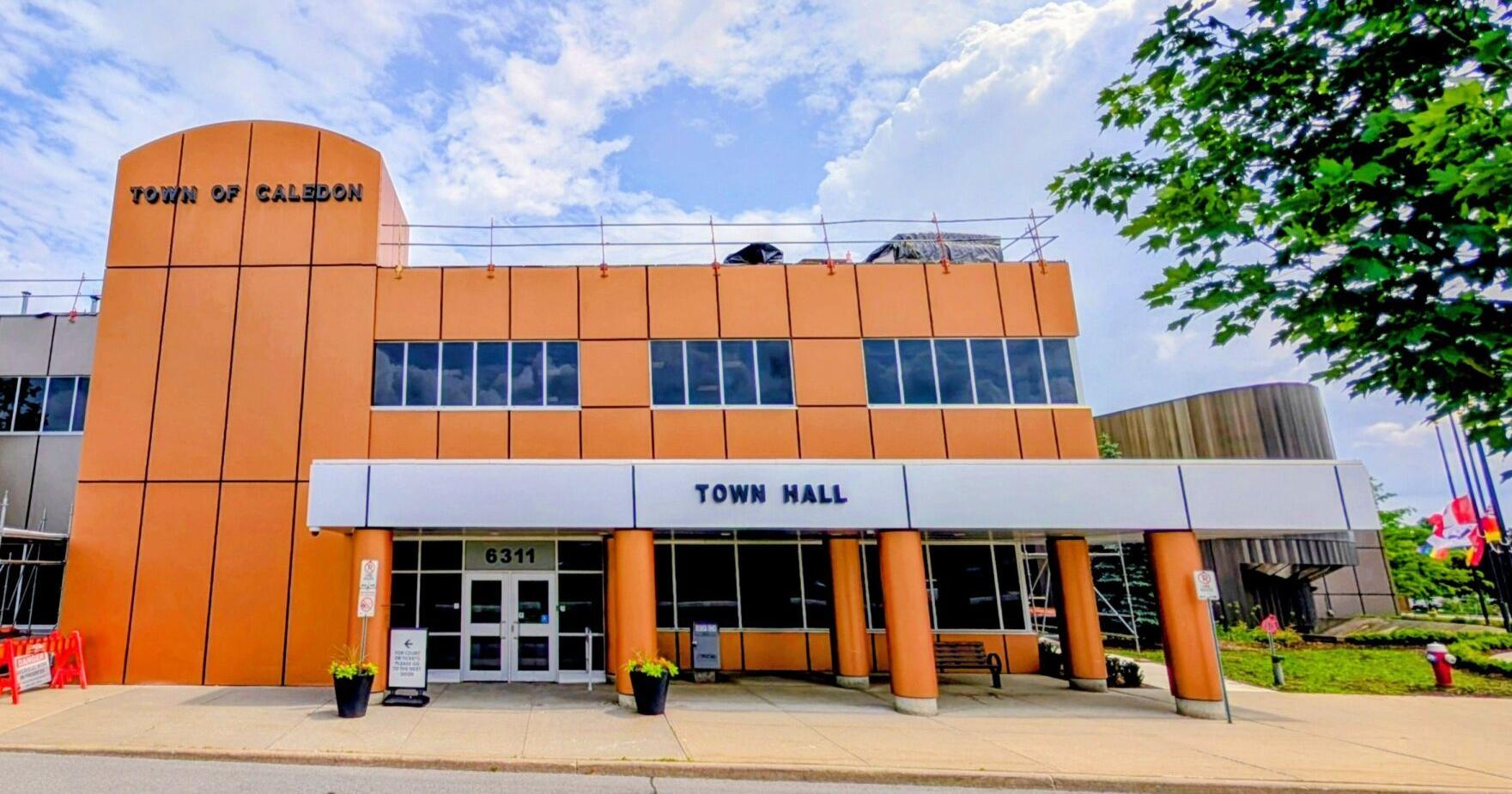
Caledon, Ontario has introduced a mandatory short-term rental licensing system that will reshape how hosts operate in the jurisdiction. The new regulatory framework requires all STR operators to obtain an official license before listing properties on platforms like Airbnb and Vrbo. This marks a significant step toward formalized STR oversight in the Greater Toronto Area municipality, bringing Caledon in line with stricter regulatory approaches adopted by other Ontario cities.
The licensing system establishes clear registration requirements, compliance standards, and enforcement mechanisms. Hosts who operate without proper licensing face warnings, fines, and potential removal from platforms—a trend increasingly common across Canadian jurisdictions seeking to balance short-term rental growth with residential community concerns.
The Financial Impact
While the source article does not specify exact licensing fees or penalty amounts, Caledon's new system creates several financial obligations for hosts:
| Cost Category | Potential Impact |
|---|---|
| License application fee | Municipality-set (varies by jurisdiction; typically $100–$500+) |
| Annual renewal cost | Recurring annual expense |
| Compliance upgrades | Fire safety, insurance, property modifications |
| Fines for non-compliance | Risk of escalating penalties |
| Legal defense costs | If enforcement disputes arise |
Hosts already operating without licenses face immediate exposure. Retroactive penalties, back-licensing fees, and operational shutdowns are common enforcement outcomes in similar Canadian jurisdictions. The financial risk of non-compliance typically exceeds the cost of proactive licensing.
"Caledon's shift toward mandatory STR licensing reflects a broader municipal trend to regulate short-term rentals more strictly, ensuring hosts understand local rules before listing."
How LawfulStay Could Have Helped
This is precisely the type of regulatory change that LawfulStay tracks across 1,080+ jurisdictions worldwide. A host monitoring Caledon's profile on LawfulStay would have received early notice of the licensing requirement before implementation, allowing time to:
- Gather required documentation (property deeds, insurance, tax records) before the deadline
- Budget for application fees and compliance costs rather than face surprise expenses
- Avoid unintentional violations that trigger enforcement action
- Consult with local authorities during the transition period, not after facing penalties
LawfulStay's regulatory database captures licensing mandates, fee structures, compliance deadlines, and enforcement priorities—exactly the intelligence needed to stay ahead of Caledon's new system. Hosts who check their jurisdiction regularly are never caught unprepared.
Key Takeaways for Hosts
-
Register immediately if operating in Caledon. Operating without a license exposes you to enforcement action, fines, and platform removal. Delay increases financial and legal risk. Contact Caledon's municipal licensing office to begin the application process.
-
Understand local licensing requirements before listing. Every jurisdiction has different rules. Do not assume rules from another city apply in Caledon. Check your specific municipality's requirements on LawfulStay or directly with local government.
-
Budget for ongoing compliance costs. Licensing is rarely one-time. Anticipate annual renewal fees, insurance updates, and potential property modifications (fire safety, accessible parking, signage).
-
Monitor regulatory changes actively. STR rules evolve quickly. Set a calendar reminder to check LawfulStay quarterly or sign up for jurisdiction-specific alerts to catch new rules before they impose penalties.
-
Maintain detailed compliance records. Keep copies of your license, insurance, tax documentation, and guest communication. If audited or cited, organized records can resolve disputes faster and reduce penalties.
The Bigger Picture
Caledon's licensing mandate reflects a North American trend toward stricter STR regulation. Cities like Toronto, Vancouver, San Francisco, and New York have implemented licensing systems designed to increase tax revenue, reduce housing stock loss to tourism, and ensure guest safety standards. Caledon's approach aligns with this shift, moving away from a "light touch" permissive stance toward formalized municipal control.
For hosts, this trend signals a simple reality: the days of operating STRs in a regulatory gray zone are ending. Jurisdictions increasingly view short-term rentals as a tax and zoning issue, not merely a hospitality service. Proactive compliance—understanding rules before operating—is now the only sustainable business model. Platforms like Airbnb increasingly enforce municipal licensing requirements, delisting properties that lack proper permits. Waiting for enforcement is a losing strategy.
Stay Compliant
If you operate or plan to list a property in Caledon or any other jurisdiction, check LawfulStay.com today. Our database covers 1,080+ jurisdictions worldwide with current licensing requirements, fee schedules, compliance deadlines, and enforcement practices. Don't learn the rules after you've violated them. Know what's required in your city—and stay ahead of the next regulatory change.
Search Caledon now on LawfulStay to confirm your current licensing status and requirements.