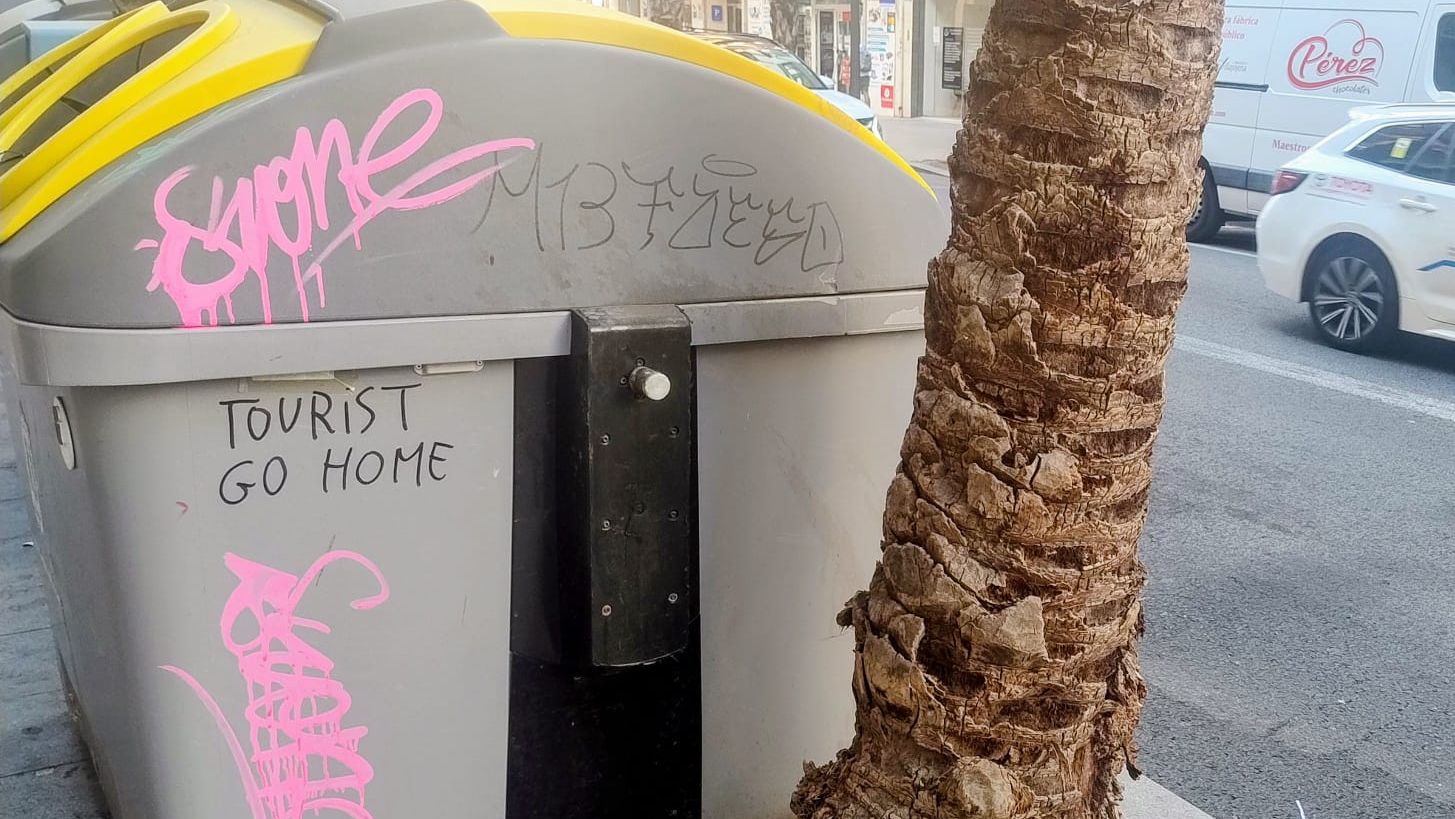
What Happened
Alicante's municipal authorities have intensified enforcement against illegal short-term rental operations, opening 57 administrative cases and executing nine property closures during 2026. This crackdown represents a significant escalation in the city's effort to regulate the booming tourist apartment market and ensure compliance with local STR regulations.
The enforcement sweep targeted properties operating without proper authorization or in violation of zoning and registration requirements. Nine properties were sealed, effectively shutting down their commercial operations. The remaining 57 cases are currently under administrative review, with potential penalties and further enforcement actions forthcoming.
"Alicante is intensifying pressure on tourist apartments with 57 open cases and nine closures in 2026."
Alicante, a Mediterranean coastal city and major tourist destination, has long struggled with regulating the rapid growth of short-term rental platforms like Airbnb and Booking.com. This enforcement action signals the municipality's determination to bring the sector into compliance with local housing and tourism laws.
Check the Rules on LawfulStay
LawfulStay tracks short-term rental rules place by place. Each place page shows where each rule comes from, an official source or news reports, and when it was last checked. Places we have not verified yet are labelled that way.
View Alicante rules on LawfulStay.
Key Takeaways for Hosts
1. Verify legal status before listing. Do not assume that because a property is on a major platform that it is legally authorized. Check your local jurisdiction's STR rules on LawfulStay before accepting the first guest.
2. Understand zoning and neighborhood restrictions. Many cities, including Alicante, restrict STRs in residential zones or limit the number of licensed properties per district. Know your property's zoning classification and applicable STR caps.
3. Complete all required registrations. Tourist apartment registration, business licensing, and tax enrollment are not optional. Enforcement agencies often discover violations through missing registrations during routine audits.
4. Check for regulatory changes regularly. Alicante's enforcement surge shows that cities are actively updating and enforcing STR rules. Subscribe to jurisdiction updates and compliance alerts via LawfulStay to stay ahead of changes.
5. Maintain documentation of compliance. Keep records of registration certificates, tax filings, insurance policies, and guest registries. If audited, thorough documentation is your best defense.
The Bigger Picture
Alicante's enforcement action reflects a broader European trend of cities reclaiming housing stock and regulating the STR sector. Barcelona, Venice, Paris, and Berlin have implemented strict STR licensing caps and implemented periodic enforcement sweeps. Spain's coastal regions—popular with international short-term rental investors—have seen the sharpest regulatory tightening.
Municipalities argue that unregulated STRs reduce long-term housing availability, increase noise complaints, and deprive cities of tax revenue. Hosts argue that reasonable regulation should coexist with access to the sharing economy. The middle ground lies in knowing the rules—and following them.
Alicante's 57 open cases and nine closures will likely result in new precedent-setting penalties and may prompt the city to publish clearer compliance guidelines. Other Spanish coastal cities are watching closely and may adopt similar enforcement strategies.
Stay Compliant
If you operate or plan to operate a short-term rental in Alicante or any other jurisdiction, check your city on LawfulStay.com today. Our database provides authoritative, up-to-date rules for thousands of jurisdictions, helping you avoid costly violations, closures, and fines.
The cost of compliance is always lower than the cost of enforcement. Don't become another cautionary tale.