What Happened
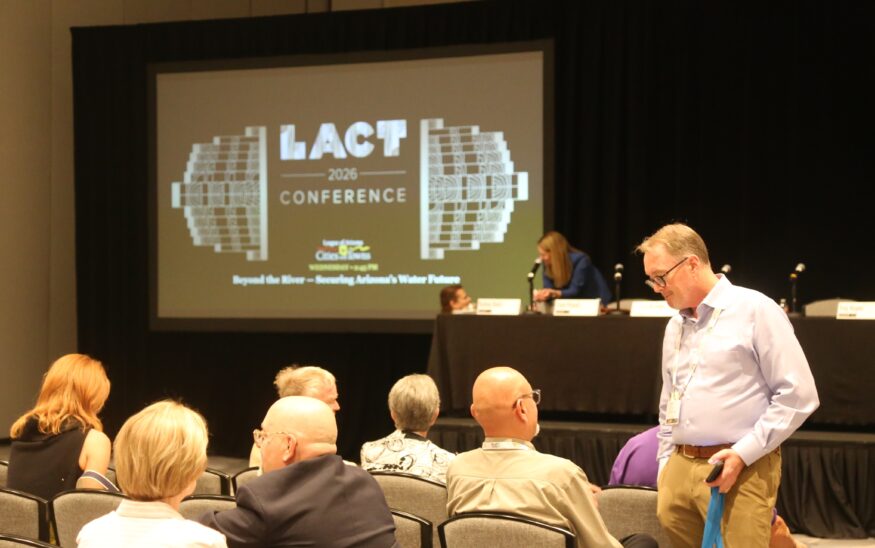
Arizona cities are mobilizing for a significant regulatory push on short-term rentals. During the League of Arizona Cities and Towns annual conference in August 2026, municipal leaders announced plans to pursue a ballot referral on STR regulations during the next legislative session. This move signals a coordinated effort among Arizona's municipalities to establish statewide or localized control over short-term rental operations—a sector that has largely operated in a fragmented regulatory landscape across the state's 1,000+ jurisdictions.
The push comes as cities grapple with housing affordability, neighborhood disruption, and tax compliance issues tied to vacation rentals. While the article does not detail specific proposed regulations, the ballot referral strategy suggests Arizona cities are preparing for a major policy battle and want voter input on the future of STR operations in their communities.
The Financial Impact
While this announcement does not yet involve fines or direct penalties, the potential financial consequences for hosts are substantial and multifaceted:
| Impact Category | Potential Cost |
|---|---|
| New licensing/registration fees | $500–$2,000+ per property annually |
| Increased tax compliance audits | $10,000–$50,000+ in back taxes and penalties |
| Legal counsel for compliance review | $2,000–$10,000+ |
| Operational restrictions (occupancy limits, quiet hours) | Lost revenue (variable) |
| Removal from platforms if non-compliant | Business shutdown |
Hosts operating in Arizona without understanding local STR rules—or anticipating coming changes—face significant exposure. A proactive compliance review now could prevent costly retroactive assessments and penalties down the line.
How LawfulStay Could Have Helped
This scenario is precisely why LawfulStay exists. Arizona hosts who checked the LawfulStay database for their specific city or county would have found:
- Current STR regulations in each of Arizona's 90+ municipalities (from Tempe to Tucson to Flagstaff)
- Registration and permitting requirements that vary widely by jurisdiction
- Tax obligations (occupancy tax, income tax, property tax implications)
- Enforcement history and complaint-driven actions in their area
- Early-warning signals of regulatory activity—like this ballot push
Hosts using LawfulStay would have been alerted to the emerging legislative landscape and could have prepared for tighter compliance, begun documenting their operations, or adjusted their business model before new rules take effect. Rather than scrambling after a ballot measure passes, informed hosts stay ahead.
"Arizona municipalities will push for regulations on short-term rentals during the next legislative session. That includes a possible ballot measure." — Arizona Capitol Times
Key Takeaways for Hosts
1. Understand Your City's Current Rules Now Before Arizona's legislative session, research your specific city's STR regulations on LawfulStay. Rules differ dramatically between Phoenix, Scottsdale, Tempe, and smaller towns. Know what you're legally required to do today.
2. Document Everything Maintain records of income, guest stays, tax filings, and compliance efforts. If new regulations arrive with a grace period, documented good faith compliance strengthens your position and may reduce penalties.
3. Monitor Legislative Developments Watch for ballot language and proposals from the League of Arizona Cities and Towns. LawfulStay regularly updates its database to reflect regulatory changes. Subscribe to alerts for Arizona if available.
4. Budget for Increased Compliance Costs Assuming new regulations pass, budget for licensing fees, higher tax reporting requirements, and possible operational changes (like occupancy caps). Proactive budgeting prevents cash-flow surprises.
5. Consult a Local Tax Professional Arizona's tax landscape for STRs is complex and varies by municipality. A local CPA familiar with STR operations can ensure you're compliant now and prepared for post-ballot changes.
The Bigger Picture
Arizona joins a growing list of states where municipalities are reclaiming regulatory authority over short-term rentals. After years of platform dominance and light-touch regulation, cities across the U.S. are pushing back—citing housing shortages, tax evasion, and neighborhood quality-of-life concerns. Colorado, California, and Florida have all seen similar coordinated municipal efforts.
The ballot referral strategy is particularly noteworthy: by taking the issue to voters, Arizona cities are building public support before legislation. This grassroots approach often succeeds because voters care about neighborhood stability and affordable housing. Hosts who ignore the signal risk being caught flat-footed when regulations tighten.
Stay Compliant
Arizona short-term rental hosts cannot afford to wait for the ballot results. Visit LawfulStay.com today and search for your city to understand current requirements. Review your registration status, tax filings, and operational practices against local rules. Whether regulations change or stay the same, staying informed is the cheapest insurance policy you can buy.
The time to prepare is now—before the next legislative session, before the ballot measure, before enforcement actions arrive.